Middle East Tensions Trigger Sell-Off in Cryptocurrencies and Tech Stocks | July 16, 2026
July 16, 2026: Rising Middle East tensions sparked a market sell-off, pushing cryptocurrencies and tech stocks lower as investors seek safe-haven assets.
Page views: 2
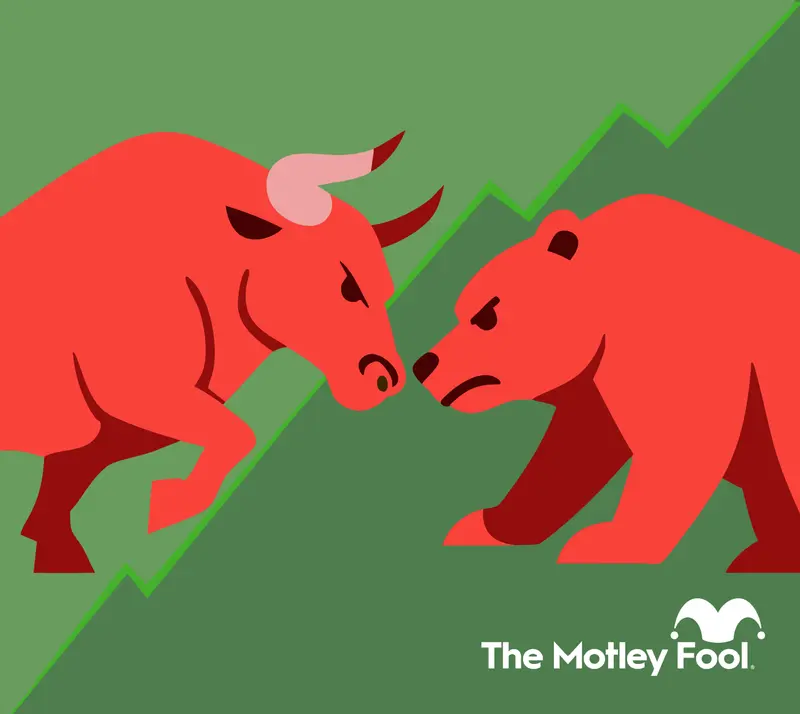
Today, July 16, 2026, rising geopolitical tensions in the Middle East prompted a broad risk-off reaction across global markets. Investors dumped cryptocurrencies and many high-growth tech stocks as uncertainty about the regional outlook increased, driving volatility in both digital assets and equity markets.
Cryptocurrencies, including major coins like Bitcoin and Ethereum, were particularly sensitive to the flight to safety. The crypto market’s reputation for high volatility means it often moves sharply on geopolitical shocks and changes in investor sentiment. Traders cited rapid liquidity withdrawal and heightened short-term selling pressure as key drivers behind the decline.
Tech stocks, which have benefited from strong earnings and innovation themes this year, also sold off as investors rotated out of higher-risk, growth-oriented positions. Major indices with heavy technology exposure, such as the Nasdaq, felt the impact as buyers favored more defensive assets. The sell-off reflected a common pattern: when geopolitical risk rises, market participants reduce exposure to volatile sectors and seek capital preservation.
Safe-haven assets and traditional defensive plays saw inflows. Gold and government bonds typically attract attention in these periods, while the U.S. dollar often strengthens as global investors scramble for liquidity. This reallocation can exacerbate declines in cryptocurrencies and tech equities in the short term, even if fundamentals for specific companies or digital networks remain intact.
What should investors consider now? First, maintain perspective: geopolitical events can trigger sharp but often short-lived market moves. Second, review portfolio diversification and risk tolerance—ensuring a mix that can withstand spikes in volatility. Third, avoid panic selling; measured rebalancing and a long-term view can prevent locking in losses during transient market stress.
Looking ahead, markets will likely track developments in the Middle East closely. A de-escalation could prompt a rebound in risk assets, while further deterioration might prolong the sell-off. For traders and longer-term investors alike, staying informed about geopolitical developments and market liquidity conditions will be critical as portfolios navigate this unsettled environment.
Published on: July 17, 2026, 6:03 am