Politico: White House Eyes Iran’s Speaker Ghalibaf as Potential US-Backed Leader
Politico reports the White House is eyeing Iran's parliament speaker Ghalibaf as a potential US-backed leader—implications for Tehran-Washington relations.
Page views: 2
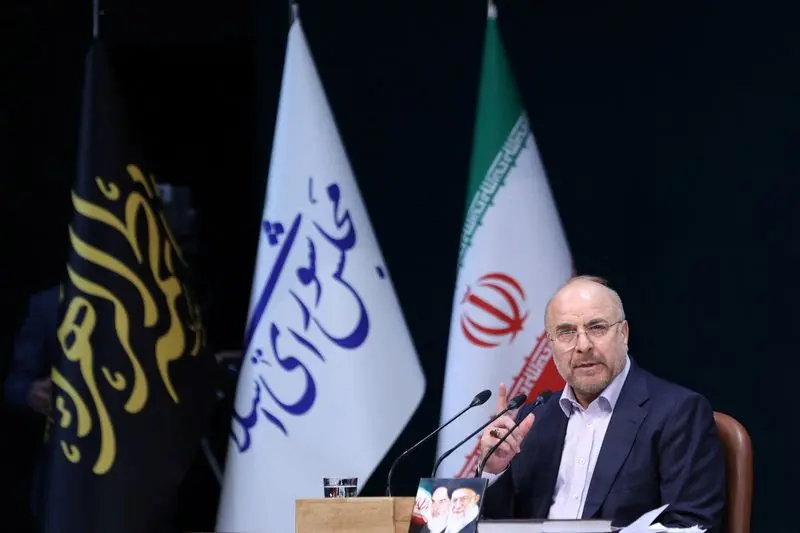
A recent Politico report says the White House has quietly considered Iran’s parliament speaker, Mohammad Bagher Ghalibaf, as a potential U.S.-backed leader in Tehran. The claim, if accurate, would mark a striking development in U.S.-Iran relations and raises immediate questions about strategy, legitimacy, and regional stability.
Ghalibaf is a well-known figure in Iranian politics. He currently serves as speaker of the Majlis (parliament) and previously held prominent roles including Tehran mayor. A former Revolutionary Guard officer who has run for president in the past, Ghalibaf is widely viewed as a conservative with pragmatic tendencies—qualities that make him distinctive among Iran’s political elites.
Why would Washington reportedly consider Ghalibaf? According to analysts cited by media, U.S. policymakers may see him as someone who could bridge hardline and pragmatic factions in Tehran, potentially opening channels for negotiation on issues like nuclear limits, regional security, and sanctions relief. Any such U.S. interest would likely aim to influence Iran’s internal calculus without endorsing overt regime change, though the line between diplomacy and interference is delicate.
The implications of a reported U.S. preference for a specific Iranian figure are significant. Domestically, Tehran’s political factions—clerical leadership, hardliners, and reformists—could react strongly against perceived foreign interference, undermining the legitimacy of any candidate labeled as “U.S.-backed.” Regionally, rival states and nonstate actors would scrutinize Washington’s motives, potentially heightening tensions.
It’s important to note that Politico’s report reflects sources and reporting rather than an official White House declaration. At this stage there has been no formal confirmation from U.S. officials or an official response from Iranian authorities. Observers should watch for statements from the White House, Iran’s foreign ministry, and other key players to verify the story and clarify intentions.
As coverage continues, key signals to follow include official reactions in Tehran, any diplomatic outreach or back-channel communications, and further investigative reporting. Whether this Politico report represents strategic contingency planning or a more active policy preference, its circulation alone underscores how fragile and consequential U.S.-Iran relations remain.
Published on: March 24, 2026, 12:03 pm