Over 50% of Bitcoin Held by Long-Term Investors — 70% Inactive Over 1 Year
More than half of Bitcoin is held by long-term investors; addresses inactive over a year control about 70% of supply, reflecting institutional accumulation.
Page views: 2
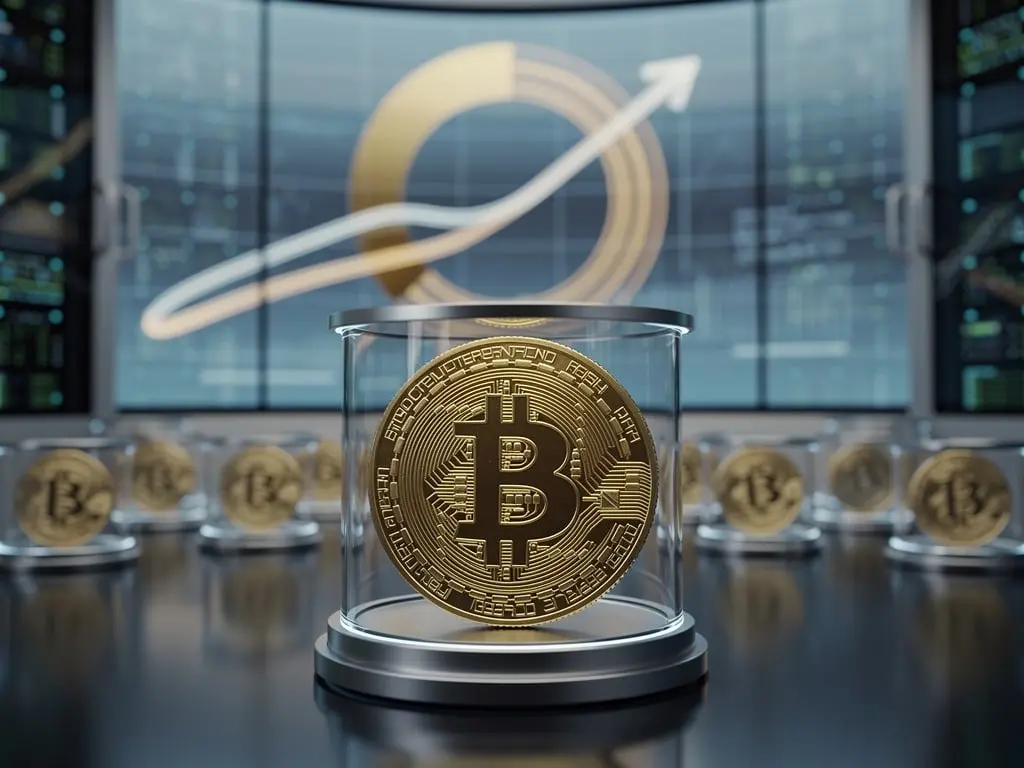
A growing share of Bitcoin is now being held for the long term. More than half of all Bitcoin is in the hands of investors who rarely sell, and addresses that have been inactive for over a year control roughly 70% of total supply. This trend highlights maturing conviction in Bitcoin as a durable store of value.
Why the shift to long-term holding matters When a large portion of Bitcoin supply sits idle, circulating liquidity tightens. Fewer coins available for trading can reduce short-term selling pressure and amplify the price impact of new demand. For traders and institutions, the rise in long-term holders signals stronger market fundamentals and a shift away from speculative churn toward sustained accumulation.
Institutional accumulation and market maturity Institutional investors have played a key role in this move. Pension funds, endowments, and corporate treasuries increasingly treat Bitcoin as an allocation for diversification and inflation hedging. Institutional accumulation tends to favor HODL behavior—buy-and-hold strategies that remove coins from active markets. That, combined with retail conviction, points to a more mature crypto ecosystem and broader acceptance of Bitcoin as a permanent store of value.
Implications for volatility and scarcity Higher long-term ownership can contribute to scarcity, which historically supports price appreciation over time. However, scarcity can also increase volatility during demand spikes, because fewer coins are available to satisfy sudden buying. Investors should expect periods of sharp price moves even as the market structure stabilizes.
Risks and caveats Concentration of supply among long-term holders carries risks. If a significant holder or group decides to liquidate, the market could face abrupt selling pressure. Additionally, “inactive” addresses may include lost or inaccessible coins, which further reduce the effective circulating supply but also introduce uncertainty about recoverable liquidity.
Conclusion The fact that more than half of Bitcoin is now held by long-term investors and that about 70% of supply is inactive for over a year is a clear sign of market evolution. Institutional accumulation, stronger conviction, and the narrative of Bitcoin as a permanent store of value are reshaping supply dynamics—introducing both opportunities and new considerations for investors.
Published on: June 11, 2026, 10:03 am