U.S. Opposes Iran Charging Oil Tankers in Strait of Hormuz
White House says U.S. opposes Iran charging oil tankers in the Strait of Hormuz, stressing maritime security, free passage and protecting global oil shipments.
Page views: 2
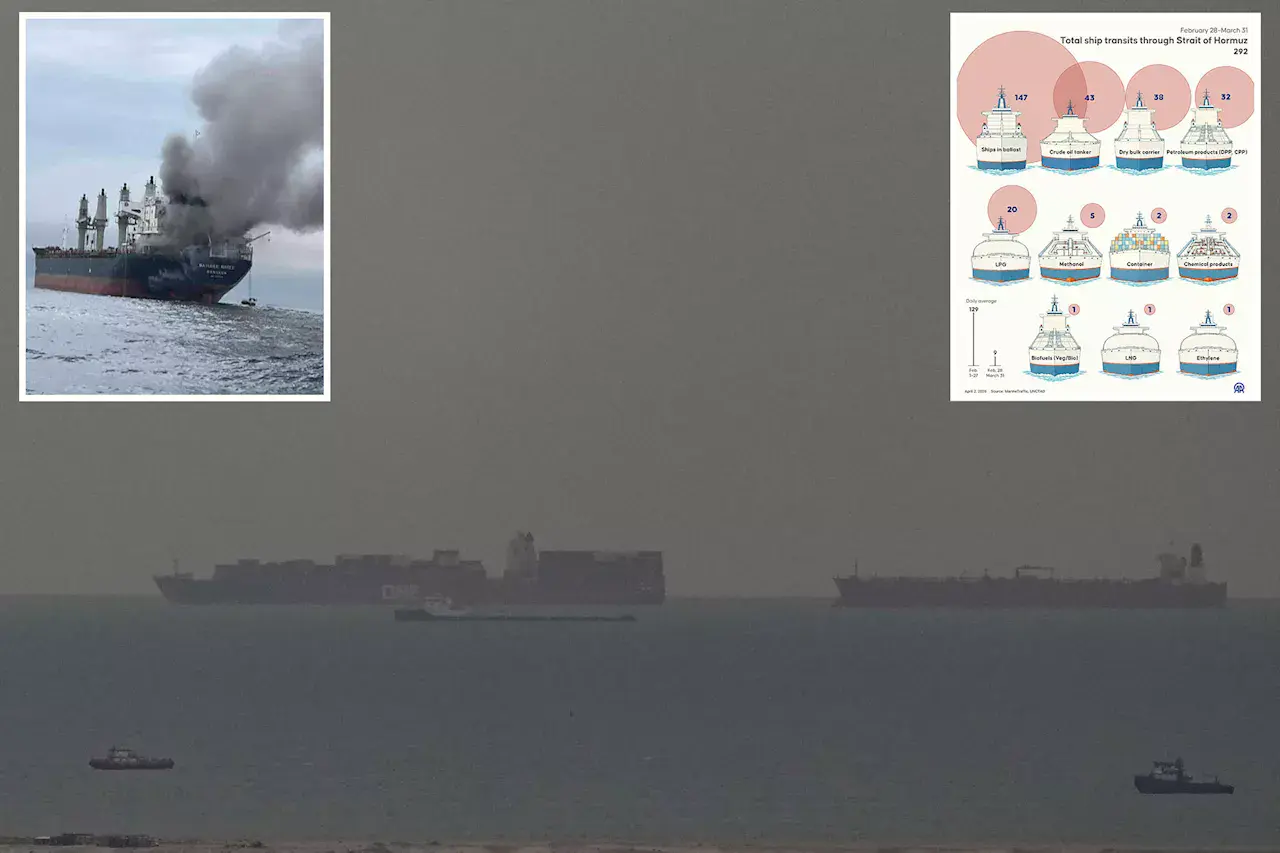
During a March 30 press conference, White House press secretary Karoline Leavitt said the United States does not support Iran charging oil tankers transiting the Strait of Hormuz. The comment underscores growing U.S. attention to maritime security and freedom of navigation in one of the world's most strategic shipping lanes.
The Strait of Hormuz is a narrow chokepoint through which a significant share of global oil and liquefied natural gas passes. Any policy that threatens commercial vessels can ripple through global shipping markets, affect insurance rates, and raise concerns about fuel prices. Leavitt's statement signals Washington's intention to oppose measures that could impede international commerce or jeopardize the safety of crew and cargo.
The White House stance touches on several key issues in international law and diplomacy. Freedom of navigation is a cornerstone of maritime law, and coastal or regional claims that interfere with commercial passage often draw rebukes from trading partners and naval observers. By publicly rejecting Iran's potential to charge tankers, U.S. officials are also communicating support for shipping companies and allied navies that rely on predictable transit rules.
Shipping companies, insurers, and energy markets will likely monitor developments closely. While the White House comment does not immediately change policy or enforcement on the water, it sets a diplomatic tone and could influence multilateral responses if charges or seizures occur. Regional actors, including Gulf states and international maritime organizations, may weigh in to protect trade flows and maritime stability.
Analysts say continued dialogue and clear rules are essential to prevent incidents that could escalate into larger confrontations. The U.S. position articulated by Karoline Leavitt reinforces broader efforts to preserve safe passage through key maritime corridors and to minimize disruptions to the global oil supply. For shipping firms and energy traders, the message is clear: freedom of transit through the Strait of Hormuz remains a priority for U.S. policy, and any attempts to charge or detain commercial tankers will face diplomatic pushback.
Published on: April 3, 2026, 12:03 pm