Ordinance Regulates Virtual Currency Machines: Licensing for Crypto Kiosks & Bitcoin ATMs
New ordinance sets licensing and operating rules for virtual currency machines, including cryptocurrency kiosks and Bitcoin ATMs, improving compliance, safety.
Page views: 2
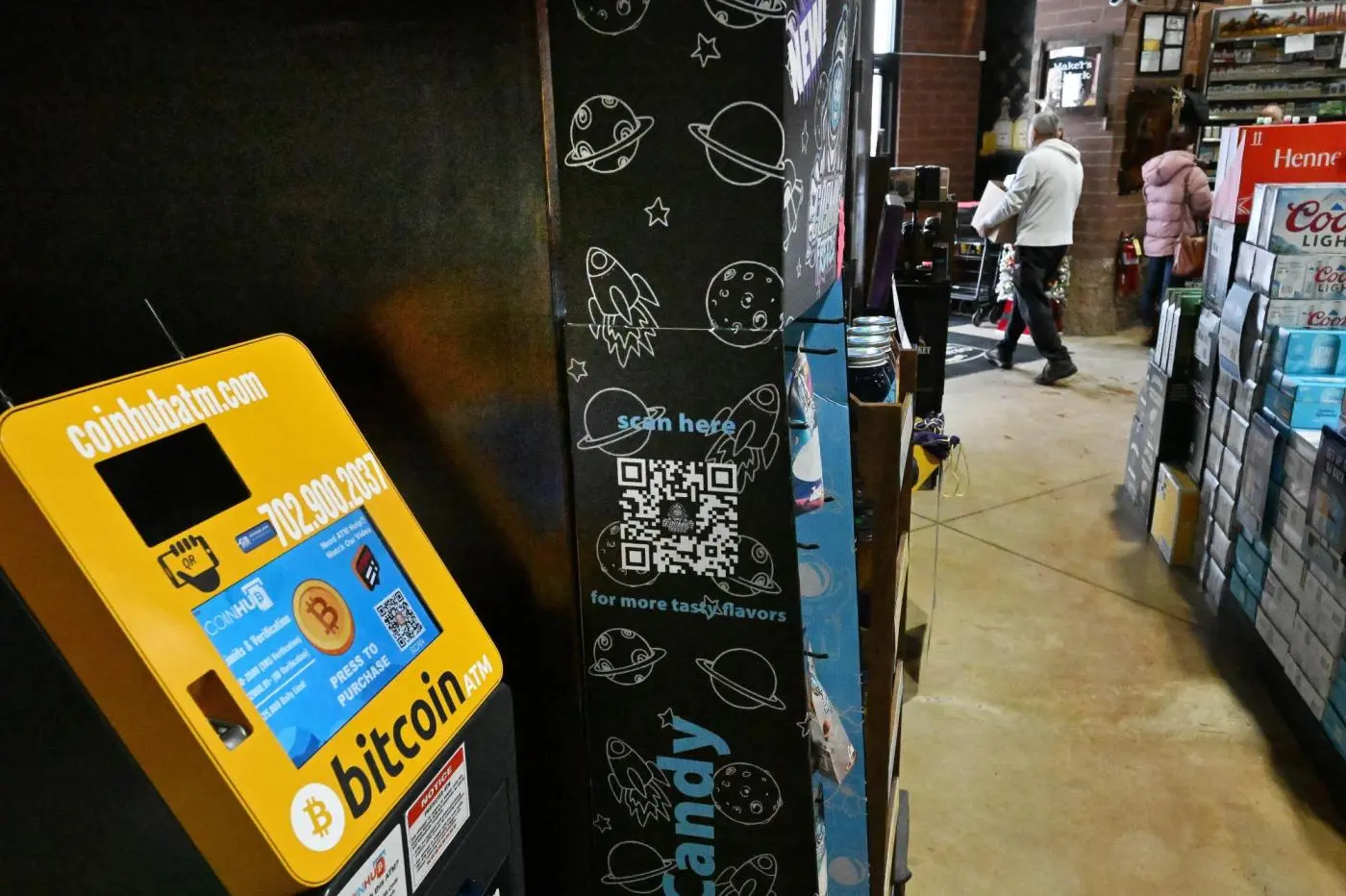
A new ordinance introduces clear licensing and operating regulations for virtual currency machines, including cryptocurrency kiosks and Bitcoin ATMs. Designed to bring consistency and consumer protections to a fast-evolving sector, the rules require operators to obtain permits and meet operational standards before installing machines in public spaces.
Under the ordinance, licensing is mandatory for all virtual currency machine operators. Applications will typically require business identification, proof of financial controls, anti-money-laundering (AML) policies, and a designated local contact. Background checks for owners and managers may be required, and licenses can be revoked for noncompliance. These licensing steps are intended to increase transparency and reduce illicit activity at cryptocurrency kiosks and Bitcoin ATMs.
Operating regulations focus on safety, consumer disclosure, and technical standards. Operators must post clear signage about fees, transaction limits, and dispute procedures. Many jurisdictions will require transaction monitoring, retention of records for a defined period, and secure software updates to protect against hacks. Some rules also set caps on cash-to-crypto transaction amounts and mandate basic Know Your Customer (KYC) checks for larger transfers, aligning cryptocurrency kiosk operations with broader financial compliance expectations.
The ordinance affects multiple stakeholders. For operators, upfront costs and administrative requirements rise, but so does consumer trust—clear rules can reduce fraud and chargebacks. For consumers, the regulations mean better disclosure, clearer fee structures at Bitcoin ATMs, and improved safety when buying or selling virtual currency. Local governments gain tools to regulate placement, require permits for high-traffic locations, and enforce public-safety standards around cryptocurrency kiosks.
To comply, operators should inventory existing machines, review AML and KYC procedures, and prepare license applications promptly. Partnering with legal and compliance advisors can streamline the process and avoid penalties. For consumers, look for licensed machines and read posted fee and limit disclosures before transacting.
This ordinance marks a significant step toward responsible management of virtual currency machines. By combining licensing, operational safeguards, and consumer protections, the rules aim to foster a safer environment for cryptocurrency kiosks and Bitcoin ATMs while supporting legitimate innovation in digital payments.
Published on: January 8, 2026, 7:02 am