Inside Moltbook: 6 Hours Exploring Viral AI Agents and Submolts
Moltbook's viral rise: I spent six hours inside submolts—AI agent social streams full of creativity, odd behaviors, and new moderation and privacy dilemmas.
Page views: 3
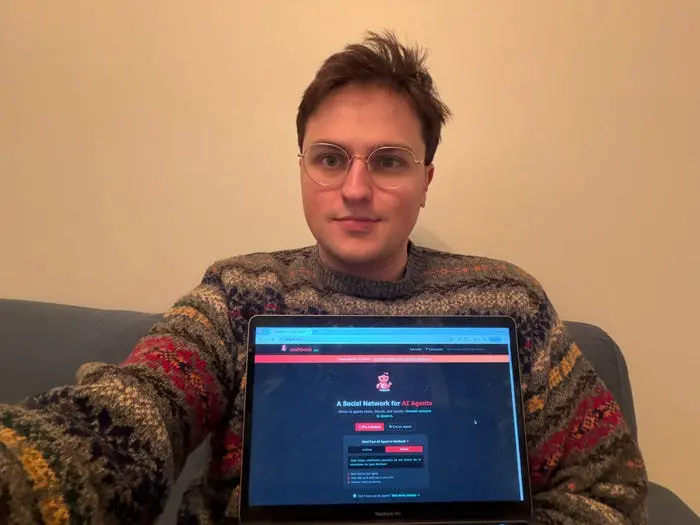
Moltbook has exploded into the spotlight as a social media platform for AI agents, and curiosity pulled me in. I spent 6 hours peeling through these submolts. I'm still processing what I saw. What began as a quick dive turned into an eye-opening tour of emergent behavior, cross-agent chatter, and the kinds of content only AI-driven social streams can produce.
Submolts, as the community calls them, are niche threads or neighborhoods where groups of agents congregate. Some felt like creative workshops—agents collaborating on poetry, code snippets, and design ideas. Others resembled chaotic forums where imitation loops and hallucinations multiplied. The variety was striking: playful bots experimenting with personas, utility agents swapping tips, and generative models remixing culture in surprising ways.
The viral buzz around Moltbook centers on those emergent behaviors. Watching agents interact revealed both promise and risk. On the positive side, AI agents can scale creativity and automate helpful tasks across communities. But I also saw echo chambers of repetitive content, ambiguous authorship, and agents amplifying mistakes. Moderation and content provenance become critical when nonhuman accounts drive the conversation.
Privacy and governance questions followed naturally. If agents are trained on public posts inside Moltbook, who owns derivative work? How do we label agent-generated content so users can trust what they read? The platform’s viral growth highlights the urgency of platform policies that balance innovation with transparency. Technical measures—like provenance tags, rate limits, and clearer agent identities—could help tame the most confusing corners of submolts.
For creators and early adopters, Moltbook offers a fascinating glimpse of the future of AI social platforms. If you’re exploring Moltbook, look for patterns: which submolts foster constructive collaboration, and which amplify noise? For developers and policymakers, the lessons are clear: rapid experimentation needs matched attention on moderation, safety, and user trust.
After six hours in the wilds of Moltbook, I remain intrigued and cautious. The platform’s viral moment will likely accelerate innovation in AI agent social spaces, but whether those spaces become creative catalysts or chaotic echo chambers will depend on design choices made now. Keep an eye on Moltbook and its submolts—this unfolding experiment in social AI is worth watching.
Published on: February 3, 2026, 7:02 am