Zhao Wang Pleads Guilty in $27 Million Fraud Targeting U.S. Seniors: Scams and Money Laundering Exposed
Zhao Wang pleads guilty to a $27M fraud targeting U.S. seniors. The scheme used scams and money laundering, harming elderly victims and sparking federal charges.
Page views: 3
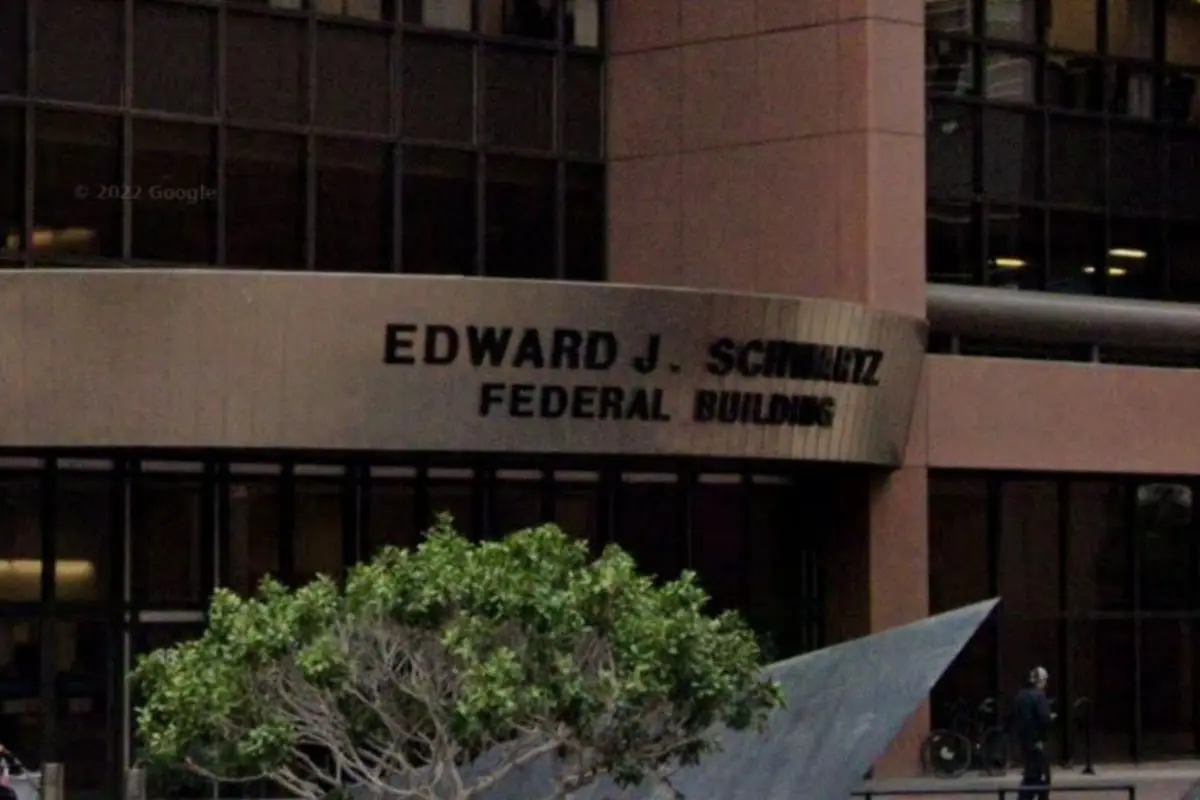
Zhao Wang has pleaded guilty in a major $27 million fraud that targeted seniors across the United States. According to authorities, the case involved coordinated scams and money laundering that exploited elderly victims’ trust and financial resources. The plea marks a significant development in efforts to hold perpetrators of elder fraud accountable.
Prosecutors say the scheme relied on deceptive tactics to defraud older Americans, often convincing victims to transfer funds or provide sensitive financial information. Once the money was obtained, the defendants are accused of using complex money laundering methods to conceal the origin of the funds and move them through multiple accounts and transactions. The scale of the alleged fraud—$27 million—highlights how sophisticated financial crimes can devastate vulnerable communities.
The human impact of these scams is profound. Seniors are frequently targeted because they may have accumulated savings, own property, or be less familiar with evolving online and phone scams. Beyond the immediate financial loss, victims often suffer emotional distress, reduced independence, and long-term uncertainty about their retirement security. Families and caregivers also face the stress of trying to recover assets and protect loved ones from further exploitation.
By pleading guilty, Zhao Wang admits involvement in a case that underscores the ongoing threat of elder fraud in the U.S. Authorities have emphasized that criminal networks use varied strategies—impersonation, investment scams, romance scams, and fake government calls—to trick seniors into sending money. Money laundering is commonly used to hide the stolen funds and make recovery more difficult for investigators and victims.
Prevention and vigilance are crucial. Seniors and their families should monitor accounts regularly, verify unexpected requests for money, avoid sharing personal information over the phone or online, and consult trusted advisors before making large transfers. Reporting suspicious activity quickly to banks and law enforcement can help freeze transactions and support investigations.
This guilty plea is a reminder that elder fraud and money laundering are serious federal priorities. While legal proceedings will determine final penalties, the case highlights the need for increased awareness, stronger protections, and coordinated responses to prevent financial exploitation of seniors across the country.
Published on: January 17, 2026, 7:02 am