Yakovenko at TechCrunch Disrupt: Why Taking a Backseat Strengthens Software Development
At TechCrunch Disrupt, Yakovenko says stepping back from hands-on software development empowers teams, accelerates scaling, and sharpens leadership vision.
Page views: 2
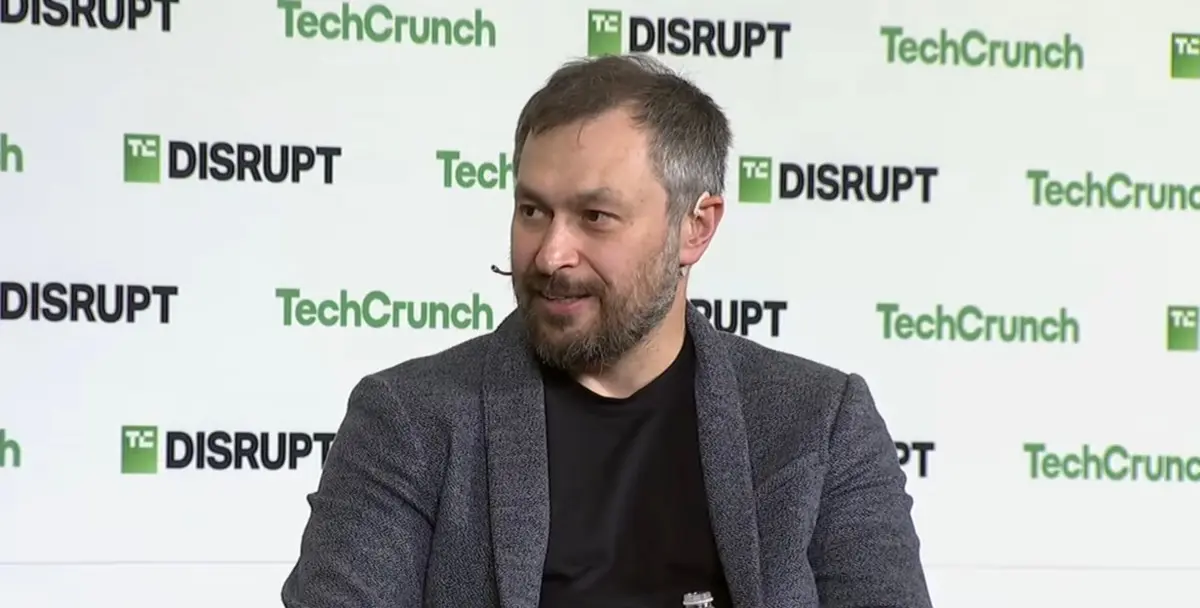
Speaking at TechCrunch Disrupt, Yakovenko revealed a shift many tech founders and engineering leaders eventually face: becoming comfortable taking a backseat in software development tasks. That change isn’t a retreat from responsibility — it’s a strategic move that can unlock better engineering outcomes, faster scaling, and stronger teams.
For leaders used to coding alongside their teams, stepping back can feel like losing control. Yet Yakovenko’s message highlights the opposite: by delegating implementation, leaders create space to focus on product strategy, architecture decisions, and mentor-driven growth. In modern software development, influence often matters more than commit access; steering vision, removing blockers, and enabling engineers deliver long-term value.
The benefits of this leadership shift are clear. First, delegation accelerates scaling: when senior engineers and managers own execution, the organization can parallelize work and ship features faster. Second, it builds a deeper bench of talent — mentorship and knowledge transfer replace single-person dependencies. Third, it sharpens product and technical strategy because leaders spend more time on high-impact decisions rather than day-to-day debugging.
That transition isn’t automatic. Yakovenko’s remark points to deliberate practices that make stepping back successful. Engineering management should emphasize documentation, clear ownership of modules, and reliable feedback loops. Leaders must hire and empower trusted leads, set measurable goals, and maintain visibility through reviews and metrics rather than constant code-level involvement. Encouraging a culture of code reviews, automated testing, and shared design docs reduces friction and preserves quality.
For developers, this dynamic is an opportunity. Taking on system ownership, mentoring juniors, and contributing to architecture discussions are valuable growth paths when senior staff step back. For startups, the approach can be the difference between founder bottlenecks and sustainable growth.
Yakovenko’s observation at TechCrunch Disrupt is a timely reminder: stepping back isn’t stepping away. It’s a leadership choice that prioritizes delegation, mentorship, and strategic focus — essential ingredients for effective software development and durable scaling. Teams that embrace this mindset position themselves to move faster, innovate more, and build resilient engineering organizations.
Published on: November 10, 2025, 6:02 pm