Why Yakovenko Is Comfortable Taking a Backseat in Software Development
At TechCrunch Disrupt, Yakovenko explains why he's comfortable taking a backseat in software development—embracing delegation, mentorship and leadership.
Page views: 2
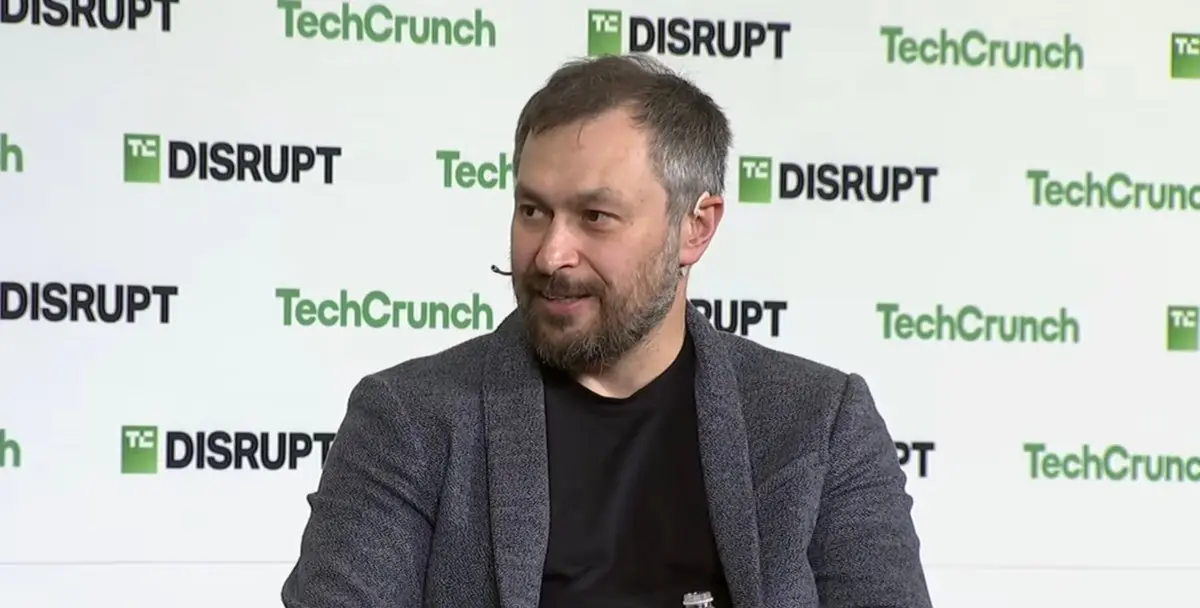
At TechCrunch Disrupt, Yakovenko said he's become increasingly comfortable taking a backseat in software development tasks. That shift reflects a broader trend in engineering leadership: effective leaders often move from hands-on coding to enabling teams through strategy, mentorship and systems thinking.
Stepping back doesn’t mean stepping away. For many senior engineers and founders, taking a backseat is a conscious choice to prioritize product vision, architecture, and cross-functional coordination. By delegating implementation details, leaders free up time to focus on high-impact work like roadmap planning, security, and developer productivity—areas that scale more effectively than individual contributions.
Delegation is a skill, not a shortcut. When leaders embrace delegation, they invest in documentation, clear APIs, and shared ownership. This strengthens team autonomy and reduces bottlenecks. Yakovenko’s comment at TechCrunch Disrupt highlights how trust and structure—rather than micromanagement—drive consistent delivery in mature software teams.
Mentorship becomes the multiplier. As technical leaders take a backseat, mentorship becomes their primary lever for influence. Coaching engineers, pair programming selectively, and reviewing architecture instead of pull requests helps transfer institutional knowledge and builds resilient teams. Long-term, mentorship creates a culture where developers feel empowered to innovate and take responsibility for quality.
The benefits are tangible: faster iteration, more robust systems, and improved team morale. When leadership focuses on enabling infrastructure, CI/CD pipelines, testing frameworks, and observability, developers can ship features with confidence. Yakovenko’s perspective at TechCrunch Disrupt underscores the importance of balancing hands-on work with the broader needs of scale and sustainability.
For engineering leaders wondering whether to step back, consider gradual delegation: identify repeatable tasks, create ownership models, and set clear success metrics. Communicate goals, celebrate wins, and invest in continuous learning. Taking a backseat isn’t about losing influence—it’s about amplifying impact through better processes, stronger teams, and long-term product health.
In short, Yakovenko’s shift is a reminder that modern software development rewards leaders who cultivate talent and systems. By embracing delegation and mentorship, teams can move faster, build more resilient products, and sustain innovation over time.
Published on: November 10, 2025, 10:02 am