Why Michael Selig Says New Asset Classes Must Be Developed Domestically, Not Just Offshore
Michael Selig urges developing new asset classes domestically, not just offshore—boosting innovation, jobs, investor protection, and long-term economic growth.
Page views: 2
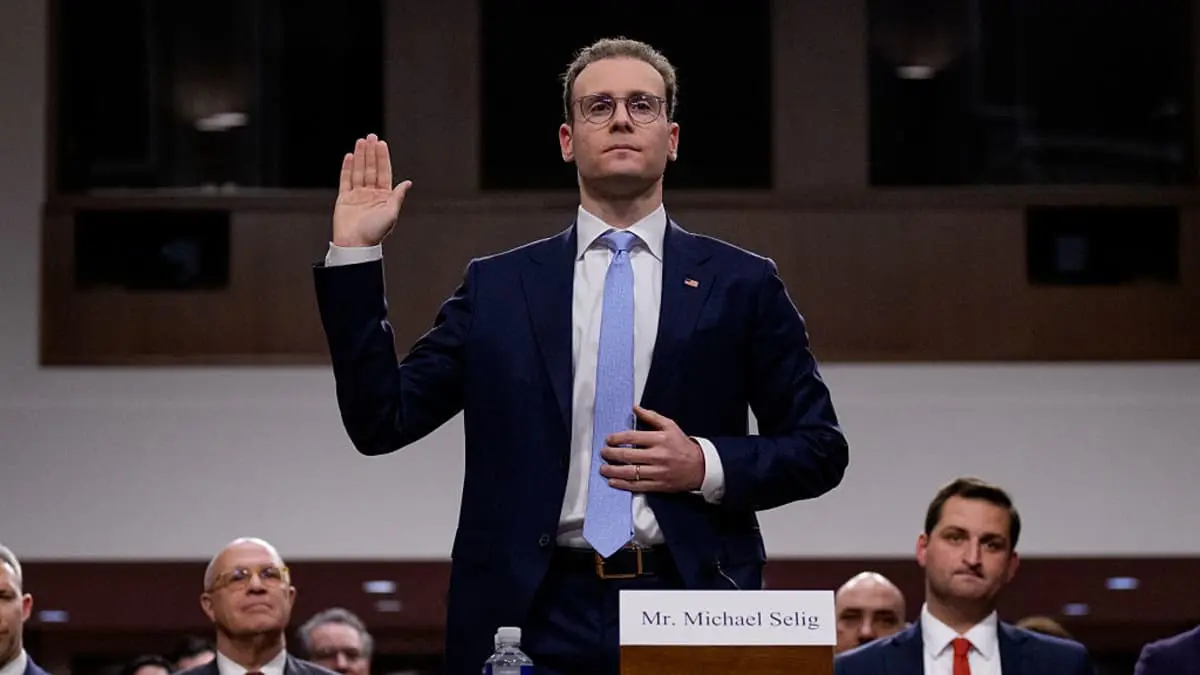
Incumbents in finance often fear change, and Michael Selig captures that tension succinctly: incumbents will always fear the future. But instead of ceding innovation to foreign markets, Selig argues it's critical to develop the new asset class domestically. That approach strengthens economic resilience, protects investors, and keeps high-value jobs at home.
Why do incumbents fear the future? Large financial institutions and established market players have built predictable business models around existing asset classes. New asset classes—whether tokenized assets, crypto-related instruments, or novel ESG-linked securities—threaten those models and require new technology, talent, and regulatory frameworks. That fear can slow domestic development and push entrepreneurs to offshore jurisdictions with looser rules.
Developing new asset classes domestically delivers clear benefits. Domestic development promotes financial innovation while keeping regulatory oversight close at hand, improving investor protection and market integrity. It also supports job creation in fintech, legal, and compliance sectors. Governments that foster domestic markets can capture tax revenue and anchor ecosystem growth instead of importing success after the fact.
Regulation and collaboration are central to this strategy. Thoughtful financial regulation that balances innovation with consumer safeguards encourages responsible growth. Policymakers can work with industry to create clear standards for custody, transparency, and risk management—reducing the incentive to take projects offshore. Public-private partnerships, sandboxes, and targeted incentives can accelerate responsible domestic development of the new asset class.
Investors and entrepreneurs also have roles to play. Investors should prioritize platforms that align with strong governance and regulatory compliance. Entrepreneurs can choose domestic markets to benefit from stable legal frameworks and access to local capital. Both groups help build momentum that makes it harder for incumbents to resist constructive change.
Michael Selig’s point is pragmatic: fear of the future is natural, but it shouldn’t dictate where innovation happens. By committing to domestic development of new asset classes, countries can harness financial innovation for economic growth, stronger investor protection, and sustainable job creation. Policymakers, incumbents, and startups should collaborate now to ensure the future is built at home—not only offshore.
Published on: June 16, 2026, 10:03 am