Which NATO Tanks Would Deploy First in a European War — Top Main Battle Tanks
NATO tanks remain central to modern warfare. Discover which main battle tanks—Abrams, Leopard 2, Challenger 2—would deploy first in a European conflict and why.
Page views: 4
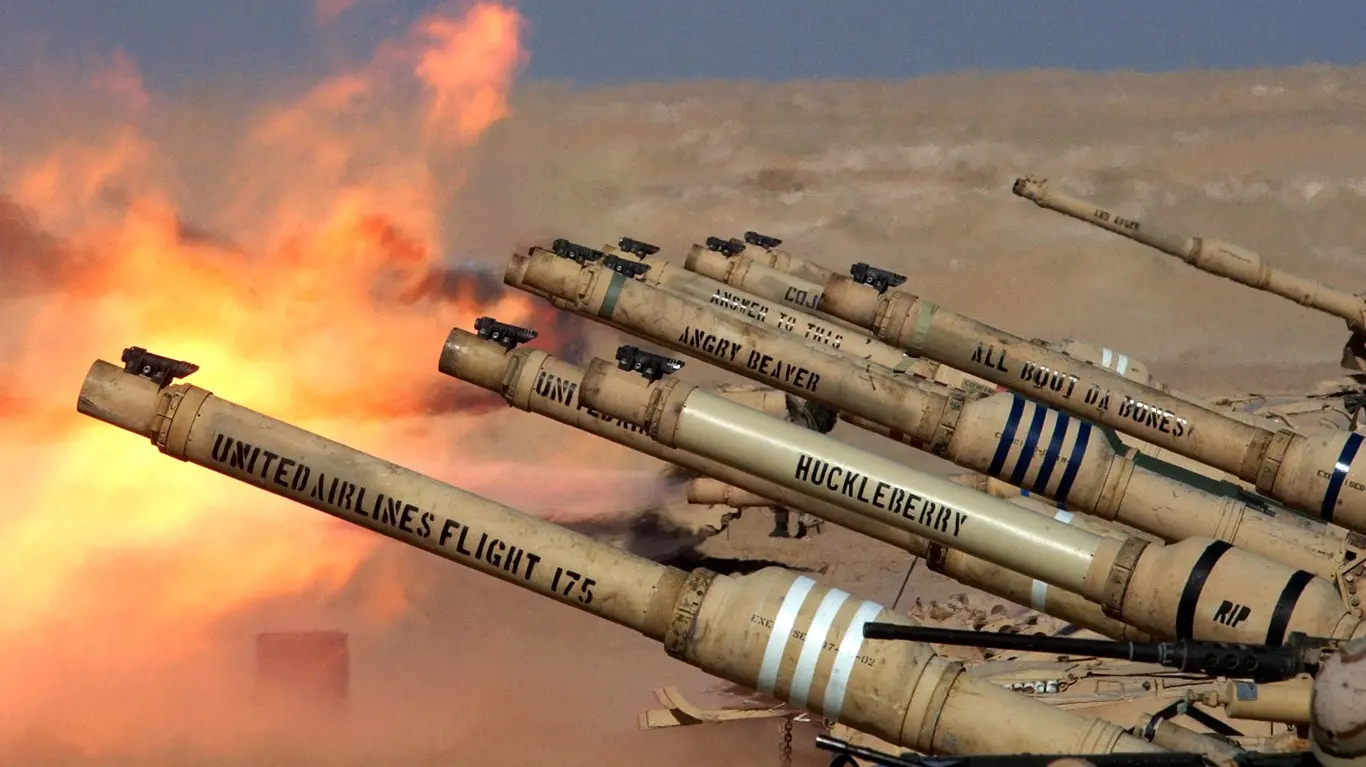
Despite the rise of drones, long-range missiles, and networked warfare, main battle tanks remain the backbone of ground combat. NATO continues to invest in heavily protected, lethal platforms that can dominate contested terrain. Thick composite armor, powerful cannons, and advanced targeting systems allow modern tanks to survive and win in some of the most dangerous battlefields on earth.
If a European conflict erupted, NATO would prioritize tanks that combine survivability, firepower, and logistical readiness. The U.S. M1 Abrams family, especially modernized M1A2 variants, is a top candidate. Abrams tanks deliver proven protection, a 120mm smoothbore cannon, and battlefield-tested mobility. Prepositioned U.S. armor stocks in Europe reduce transit time and make Abrams likely for first-wave deployments.
Germany's Leopard 2 is another frontline choice. Widely used across NATO members, Leopard 2 tanks benefit from commonality, strong armor packages, and excellent fire-control systems. Many European armies operate Leopard 2 variants, which simplifies coalition operations and sustainment when rapid reinforcement is required.
The British Challenger 2 and the French Leclerc would also play key roles. Challenger 2 is noted for its armor and accuracy, while Leclerc emphasizes mobility and advanced electronics. Together with other NATO tanks, these platforms form a layered, interoperable force able to conduct combined-arms operations alongside infantry, artillery, and air support.
Deployment decisions go beyond which tank is best on paper. Factors include stockpiles, maintenance capacity, ammunition availability, crew training, and prepositioned equipment in Europe. NATO logistics hubs, rail and road networks, and established supply chains are critical to keep armored units moving and fighting effectively.
Why do tanks still matter? They provide shock effect, protected maneuver, and precision fires that are hard to replicate with indirect systems alone. In urban and mixed terrain, tanks shield crews while supporting infantry advances and seizing key terrain. Advanced sensors and targeting systems also let modern tanks engage threats at greater ranges with higher first-round hit probability.
In short, NATO would likely deploy Abrams, Leopard 2, Challenger 2, and Leclerc tanks early in a European war because of capability, availability, and logistics. These main battle tanks remain essential tools for deterrence and combat in the 21st century, combining armor, firepower, and networked systems to meet evolving threats.
Published on: March 9, 2026, 6:03 am