What a Failed Airdrop Means for Cardano: Investor Concerns and Next Steps
Cardano's troubled airdrop has investors worried about ADA's future. Learn how token distribution, governance, and community trust may be affected and recovery.
Page views: 2
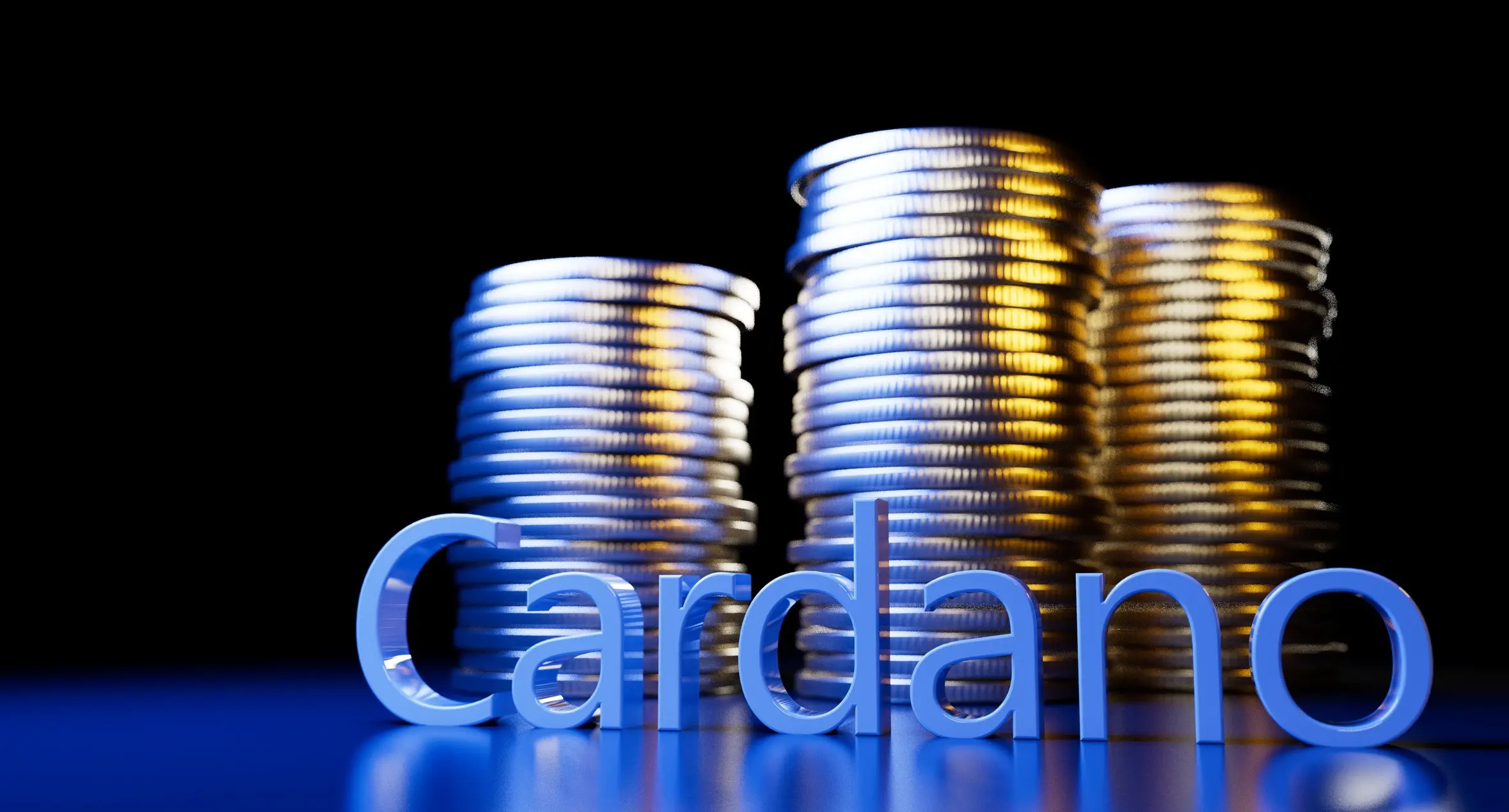
A recent airdrop that didn’t go as planned has some investors questioning Cardano’s short-term outlook. While airdrops are designed to boost token distribution and community engagement, when they fail — due to technical hiccups, eligibility confusion, or delayed delivery — they can harm confidence in the ecosystem and ADA’s market sentiment.
Why investors care: airdrops affect token distribution and perceived fairness. For many crypto holders, a smooth airdrop signals a well-run project with transparent governance and reliable infrastructure. Conversely, an airdrop that leaves eligible users empty-handed or rewards the wrong wallets fuels doubt about the team’s execution, testing community trust in Cardano and related projects built on its blockchain.
Possible causes behind the glitch range from snapshot errors and smart contract bugs to poor communication about eligibility criteria. In Cardano’s case, technical complexity—staking pools, off-chain metadata, and layered token standards—can complicate distributions. That complexity increases the need for clear instructions, robust testing, and contingency plans before airdrops launch.
Market reaction is often swift. Short-term price volatility can follow as investors reassess risk for ADA and tokens within the Cardano ecosystem. Media coverage and social chatter amplify concerns, which is why proactive, transparent responses from developers and project teams are crucial to calming markets and retaining long-term supporters.
What can restore confidence? First, a transparent post-mortem explaining what went wrong and who was affected. Second, a remediation plan — whether through a corrective airdrop, manual distributions, or compensation mechanisms. Third, technical audits and improved testing to prevent recurrence. Finally, stronger community governance and clearer communication channels help rebuild trust and demonstrate accountability.
Long-term outlook: one failed airdrop doesn’t determine Cardano’s future. The blockchain’s fundamentals — developer activity, staking participation, and protocol roadmap — still matter. However, repeated execution failures could erode competitive advantage and slow ecosystem growth. Investors and community members should watch for clear corrective actions, governance improvements, and transparent timelines.
In summary, a mishandled airdrop raises valid investor concerns about token distribution, governance, and trust in the Cardano ecosystem. Prompt transparency, remediation, and technical safeguards are the fastest paths to restoring confidence in ADA and the projects that rely on Cardano’s blockchain.
Published on: December 12, 2025, 9:02 am