US Crude Futures Plunge Over 6% After Reports of Possible Strait of Hormuz Reopening
US crude futures drop over 6% as reports suggest the Strait of Hormuz may reopen, easing supply fears and sparking volatility in oil markets and fuel costs.
Page views: 2
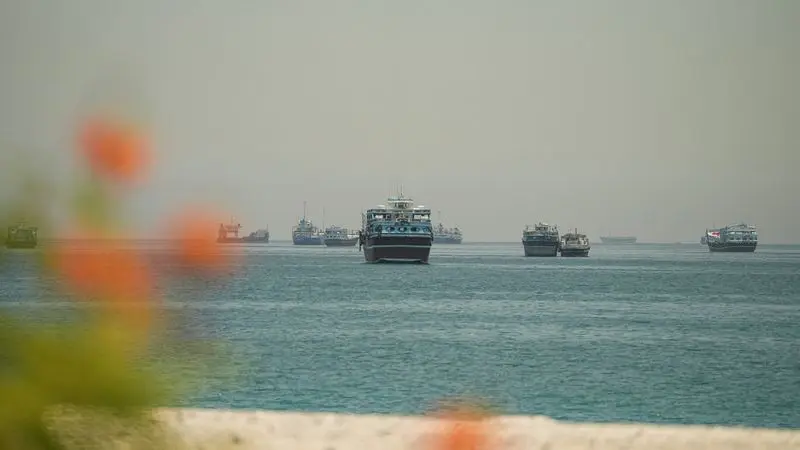
US crude futures tumbled more than 6% after reports emerged that the Strait of Hormuz could reopen, easing a key supply concern that had been supporting oil prices. The sudden shift in sentiment triggered a broad market reaction as traders recalibrated the risk premium associated with shipping disruptions through one of the world’s most important oil chokepoints.
The Strait of Hormuz is a strategic waterway for global energy flows, handling a substantial share of seaborne crude exports. When passage is threatened, oil prices typically rise on fears of constrained supply. Conversely, news that the strait may reopen tends to relieve some of that upward pressure, prompting sharp price moves in both West Texas Intermediate (WTI) and Brent benchmarks.
Market participants reacted quickly, with volatility spiking across energy markets. US crude futures, which incorporate expectations about short-term supply and demand, led the drop as traders priced in a lower risk premium. Brent crude also felt the impact, reflecting the global implications of any change to shipping conditions in the Gulf. Analysts noted that such swings highlight how geopolitical headlines can dominate near-term oil price direction.
Beyond the immediate headline-driven move, other factors will shape oil’s next leg. Inventories, refinery activity, and broader demand trends remain central to longer-term price momentum. If the Strait of Hormuz does reopen and stays secure, some of the recent upside tied to supply fears may unwind. Still, markets will watch for follow-through developments — further reports, official confirmations, or renewed tensions — that could reintroduce volatility.
For consumers and businesses, the move underscores how geopolitical developments can quickly influence fuel costs and energy planning. Traders are likely to monitor shipping reports, regional diplomatic updates, and inventory releases closely in the coming days. Long-term investors may view the event as a reminder to factor geopolitical risk into portfolio strategies, while short-term traders may seek to capitalize on continued swings.
In summary, the reported potential reopening of the Strait of Hormuz triggered a steep decline in US crude futures, easing immediate supply worries and prompting a reassessment of oil prices. Watch upcoming confirmations and regional developments to understand whether the market’s repricing will hold or if volatility will resume.
Published on: May 26, 2026, 2:03 pm