Trump Opposes FISA Extension Without Voting Bill Attached — What It Means for Congress
Trump opposes a FISA extension unless a voting reform bill is attached, raising pressure on lawmakers over surveillance laws and voting rights amid debate.
Page views: 2
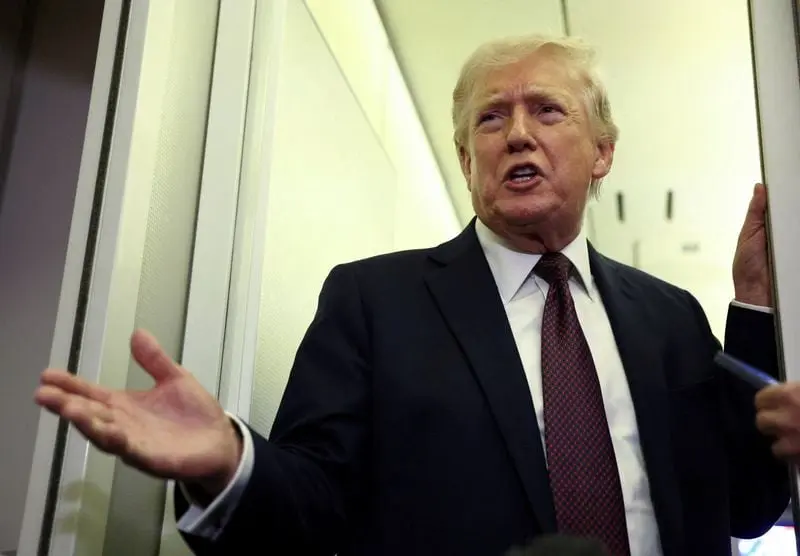
Former President Donald Trump has publicly declared he will oppose any extension of the Foreign Intelligence Surveillance Act (FISA) unless lawmakers attach a voting reform bill to the measure. The statement elevates stakes around a routine surveillance renewal and signals a high-stakes legislative bargaining strategy.
FISA extensions routinely pass Congress to maintain legal authorities used for foreign intelligence collection. But when a widely supported administrative renewal becomes linked to a contentious voting bill, it forces lawmakers to balance national security priorities with heated political demands. Trump’s condition makes the debate less about technical surveillance law and more about policy leverage and voting rights.
Lawmakers are reacting cautiously. Supporters of the FISA extension warn that blocking renewal could create gaps in intelligence tools used to monitor foreign threats. Advocates for the voting bill, meanwhile, see an opportunity to push changes to election rules and procedures. By demanding the voting bill be attached, Trump is pushing Congress into a trade-off: prioritize surveillance continuity or use that leverage to advance voting reform.
This dynamic complicates negotiations on Capitol Hill. Republicans and Democrats face pressure from constituencies on both sides—those concerned with national security and those focused on election integrity and access. The potential for a standoff raises the prospect of last-minute compromises, procedural maneuvers, or separate floor fights that could delay either measure.
What to watch next: key congressional committees, floor scheduling, and public statements from party leaders. If leaders prioritize the FISA extension as a must-pass item, they may seek standalone votes or alternative mechanisms to avoid tying it to the voting bill. Conversely, if the voting reform effort gains momentum, it could reshape the renewal timeline and the content of surveillance legislation.
In short, Trump’s position transforms a technical FISA extension into a broader political flashpoint. The outcome will affect surveillance law continuity, the trajectory of voting rights debates, and the nature of legislative negotiation in Congress. Observers should expect intense bargaining as lawmakers weigh national security needs against sweeping political aims.
Published on: June 15, 2026, 12:03 pm