State Senate Advances Regulation of Crypto Kiosks
State Senate advances bill to integrate virtual currency kiosks into money transmission laws, strengthening consumer protection and compliance for crypto kiosks.
Page views: 2
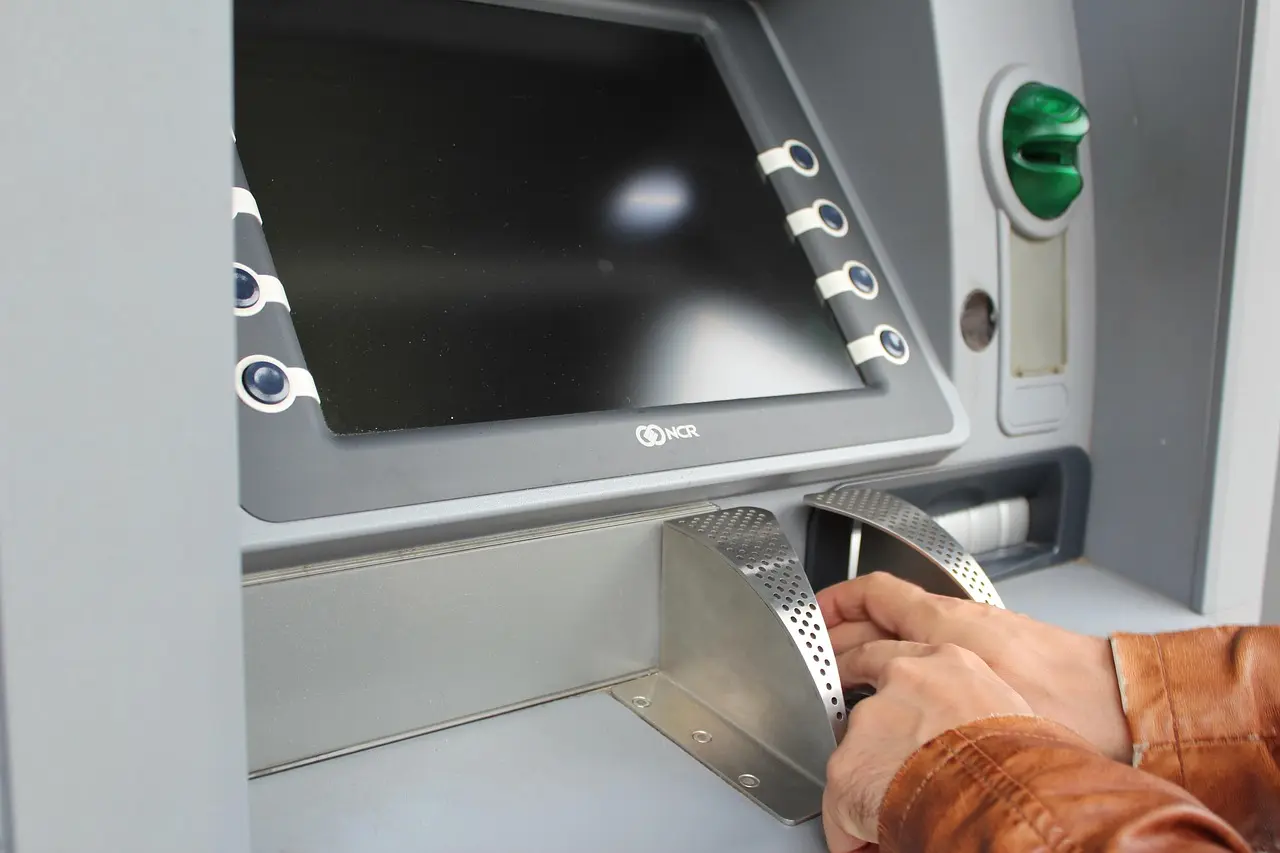
A bill advancing in the state Senate proposes a comprehensive legal framework to integrate virtual currency kiosks into existing money transmission laws. As crypto kiosks become more common in malls, convenience stores, and transit hubs, lawmakers are moving to close regulatory gaps and bring these machines in line with traditional financial services.
The proposed legislation would subject virtual currency kiosks — devices that allow consumers to buy or sell cryptocurrencies for cash — to the same licensing, reporting, and consumer-protection standards that govern money transmitters. That means operators may need to obtain licenses, implement anti-money-laundering (AML) and know-your-customer (KYC) procedures, and follow transaction-recording and reporting requirements. Proponents argue these steps will protect consumers, reduce fraud, and make law enforcement efforts more effective.
For kiosk operators and crypto businesses, the bill signals a shift toward clearer regulatory expectations. While increased compliance can raise operational costs, it also creates a more stable market environment. Licensed operators may gain greater legitimacy with banks, payment processors, and investors, and consumers may feel more confident using regulated kiosks. The legislation could also spur technological upgrades as operators adopt better identity-verification and monitoring systems.
Consumer advocates emphasize that regulation should balance safety with access. Proper oversight can prevent scams and money-laundering risks without stifling innovation or cutting off legitimate users who rely on kiosks for convenient crypto access. Lawmakers are weighing details like transaction thresholds, exemptions for small operators, and the timeline for implementing new licensing rules.
Next steps for the bill include committee hearings, stakeholder testimony, and potential amendments as lawmakers refine licensing standards and enforcement mechanisms. If enacted, the law would integrate crypto kiosks into the state’s broader money transmission framework and set a precedent for other jurisdictions facing similar challenges.
As the debate continues, consumers and businesses should monitor developments and prepare for possible compliance changes. Clear rules could help crypto kiosks operate safely and transparently, improving consumer protection while supporting responsible growth in the digital-currency ecosystem.
Published on: February 19, 2026, 11:03 am