Sham Charities Exposed: Two Designated Entities Funneled Funds to Hamas's Military Wing
Authorities designated two sham charities that funneled funds to Hamas's military wing. Understand how charitable fronts work and why counterterrorism matters.
Page views: 2
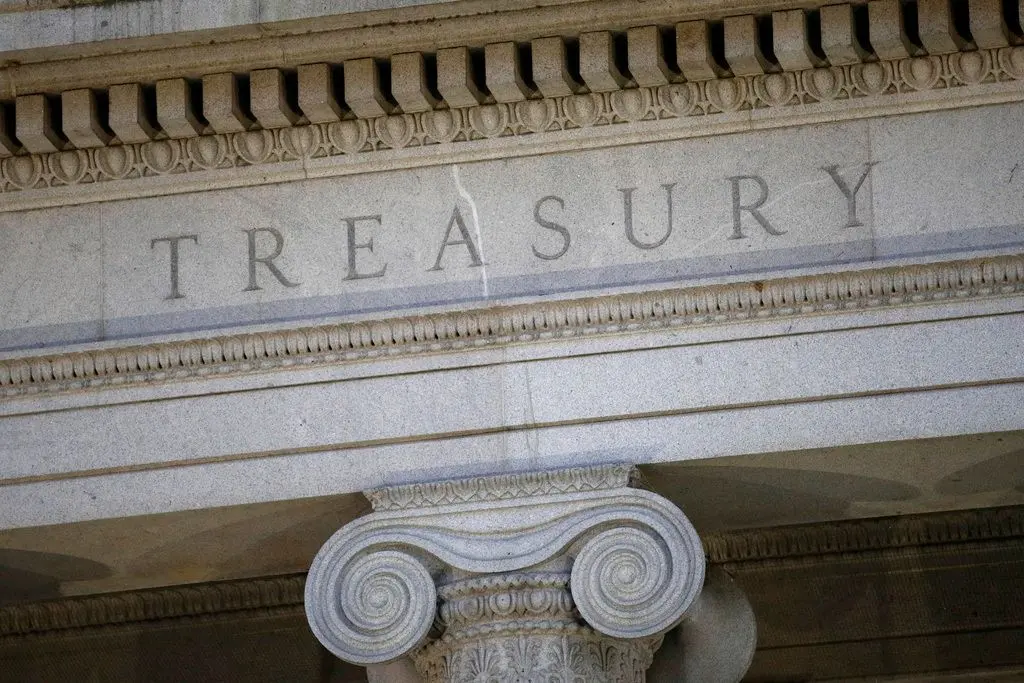
Authorities have designated two organizations as sham charities after investigators determined they funneled funding to Hamas's military wing. The move highlights growing international efforts to disrupt terror financing and to hold accountable charitable fronts that mask illicit activities.
Officials say the designated entities used the appearance of legitimate charitable work to collect donations, then diverted a portion of those funds to support armed operations. By posing as relief organizations, these sham charities exploited donor goodwill and regulatory gaps, making it harder for authorities to trace the flow of money to violent groups.
How sham charities operate: Many fraudulent organizations register as nonprofits, run community programs, or organize fundraising events. They often mix legitimate humanitarian aid with illicit transfers, obscuring the final destination of funds. Techniques include layering transactions, using third-party intermediaries, and maintaining vague reporting practices. Such methods are common in terror financing schemes that aim to benefit military wings of extremist organizations.
Why designation matters: Officially designating an entity as a sham charity or terror-financing front triggers legal and financial consequences. Designated entities can face asset freezes, sanctions, and criminal investigations. Banks and payment processors are alerted to heightened risk, reducing the charity’s ability to process donations or move money internationally. Designations also serve as public warnings to would-be donors and partners.
Implications for donors and nonprofits: Legitimate charities may face increased scrutiny, which underscores the need for transparency and robust compliance. Donors should perform due diligence by checking charity registration, reviewing audited financial statements, and confirming a charity’s stated programs with independent sources. Corporate and financial institutions should maintain strong anti-money-laundering (AML) controls and monitor for red flags tied to charitable fronts.
The broader fight against illicit financing relies on cooperation among governments, financial institutions, and civil society. Enhanced information sharing, stricter oversight of nonprofit sectors, and public awareness campaigns can reduce the risk that charitable giving is diverted to violent causes.
As authorities continue to identify and designate sham charities linked to Hamas and other groups, donors and organizations alike must prioritize transparency and vigilance to ensure humanitarian support reaches those who truly need it.
Published on: July 24, 2026, 6:03 am