Senate Democrats Move to Block Trump-Linked Crypto Bank After Preliminary Approval
Federal regulators preliminarily approved a Trump-linked digital-asset bank, prompting Senate Democrats led by Elizabeth Warren to push legislation to block it.
Page views: 3
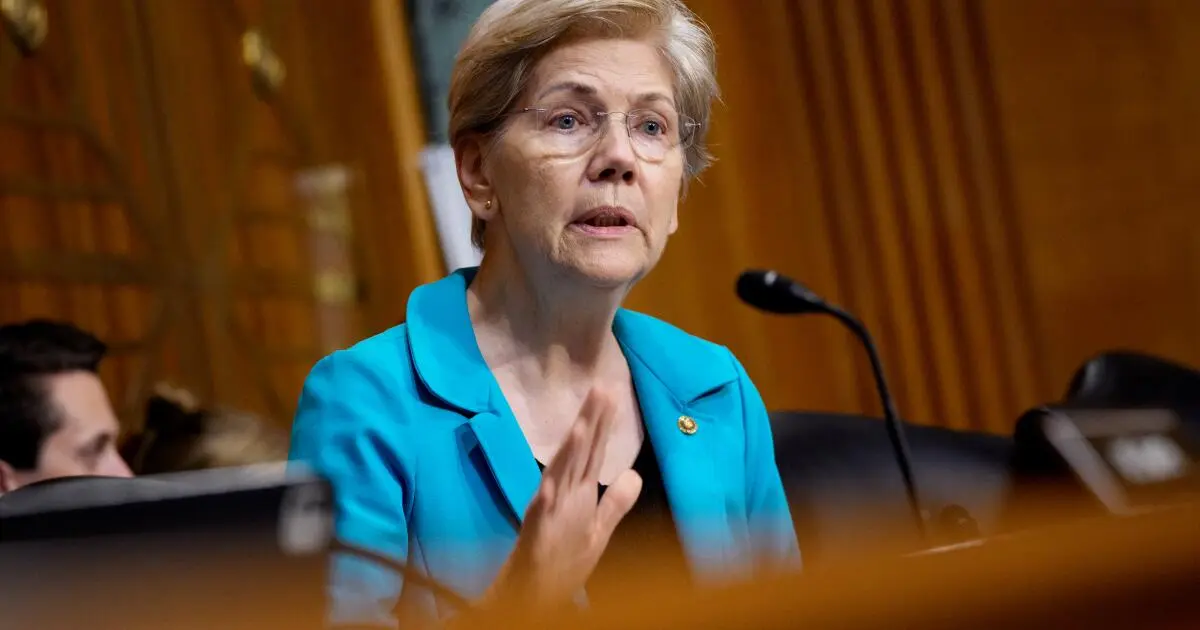
Federal regulators have given preliminary approval for a cryptocurrency venture tied to President Trump and his family to operate a digital-asset bank, triggering swift political backlash. The unusual move has reignited debates over cryptocurrency regulation, conflicts of interest, and the role of political influence in financial oversight.
Senate Democrats immediately condemned the decision and announced efforts to block the approval through legislation. Leading the charge, Sen. Elizabeth Warren (D-Mass.) characterized the action as a “brazen act of self-dealing,” arguing that allowing a Trump-linked crypto bank to operate would raise serious ethical and oversight concerns. Democrats say the proposal demands a stronger firewall between political figures and nascent crypto financial institutions.
Regulatory preliminary approval does not guarantee a final license. The process typically includes public comments, additional supervisory reviews, and possible conditions imposed by regulators before a full charter is granted. Still, the announcement has prompted lawmakers to move quickly. Proposed legislation from Senate Democrats aims to prevent entities tied to elected officials from receiving charters for digital-asset banks, citing the potential for conflicts of interest and the need for impartial oversight in the rapidly evolving crypto sector.
The controversy highlights larger questions about cryptocurrency regulation in the United States. Digital-asset banks promise services like custodial accounts, stablecoin support, and crypto-backed lending, drawing interest from investors and entrepreneurs. Yet critics worry that weak or selective oversight could create systemic risks or open avenues for favoritism. Advocates for clearer rules say consistent federal standards are necessary to protect consumers and integrate crypto markets safely into the broader financial system.
As lawmakers debate the proposed ban and regulators complete their review, the situation will be watched closely by industry participants, investors, and voters. If legislation is introduced and gains traction, it could reshape how regulators approach crypto banking approvals and set new precedents for how connections between political figures and financial ventures are handled. For now, the clash between preliminary regulatory action and congressional pushback underscores the political sensitivity surrounding crypto banking approval and the demand for transparent, accountable oversight.
Published on: August 19, 2026, 10:03 am