Russia Enacts Digital Currency and Digital Rights Law: What the New Crypto Regulation Means
Russia signs Digital Currency and Digital Rights Law, legalizing crypto with phased rules. Most provisions start Sep 1, 2026; full compliance by Jul 1, 2027.
Page views: 2
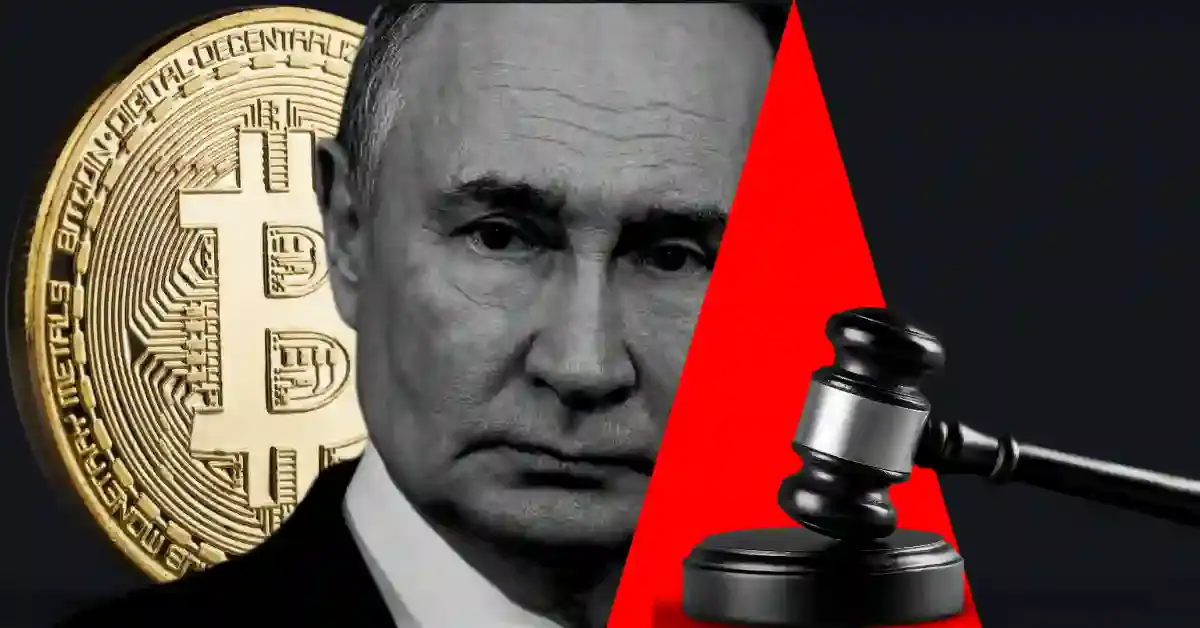
On August 4, Russian President Vladimir Putin signed the Digital Currency and Digital Rights Law, marking the country's first comprehensive crypto regulation framework. The law legalizes key aspects of digital assets and establishes a phased timetable for implementation: most provisions take effect on September 1, 2026, with full licensing and compliance required by July 1, 2027. This shift signals Moscow’s intent to bring cryptocurrency activity under formal oversight.
Russia’s stance on crypto payments is a central element of the new framework. While the law recognizes digital currencies and digital rights, it also sets boundaries for how crypto can be used in payments and commerce. The phased rollout gives regulators time to clarify permitted payment channels, consumer protections, and anti-fraud rules. For businesses and consumers, this creates clearer legal ground—but also new compliance responsibilities.
Cryptocurrency licensing and oversight are core components of the regulation. Exchanges, custodians, wallet providers, and other crypto service providers will need to obtain formal licenses and meet regulatory standards by the July 2027 deadline. Expect requirements around know-your-customer (KYC), anti-money laundering (AML), reporting, and operational safeguards. The licensing regime is designed to integrate the crypto sector into Russia’s broader financial supervision architecture and reduce illicit use.
What does this mean for the crypto market in Russia? Greater legal clarity often encourages institutional participation and product development. Regulated exchanges and licensed providers could attract more users who previously hesitated due to legal ambiguity. At the same time, stricter controls might limit certain decentralized or cross-border activities, and foreign platforms will need to adjust if they want to serve Russian customers compliantly.
For businesses and investors, the takeaway is simple: prepare now. Review existing operations, update compliance programs, and monitor guidance from Russian regulators as the September 2026 and July 2027 milestones approach. The Digital Currency and Digital Rights Law creates an opportunity for legitimate growth in Russia’s crypto ecosystem—but it also raises the bar for legal and regulatory readiness.
Stay informed about regulatory updates and consult legal counsel to align with Russia’s evolving crypto rules. The coming months will determine how quickly the market adapts to this landmark regulation.
Published on: August 6, 2026, 2:03 pm