Rise of Crypto Art: NFT Exhibitions in Parks, Galleries, and Public Spaces
Explore how crypto art and NFTs are reshaping parks, galleries, and public spaces with immersive digital installations and temporary exhibitions for audiences.
Page views: 2
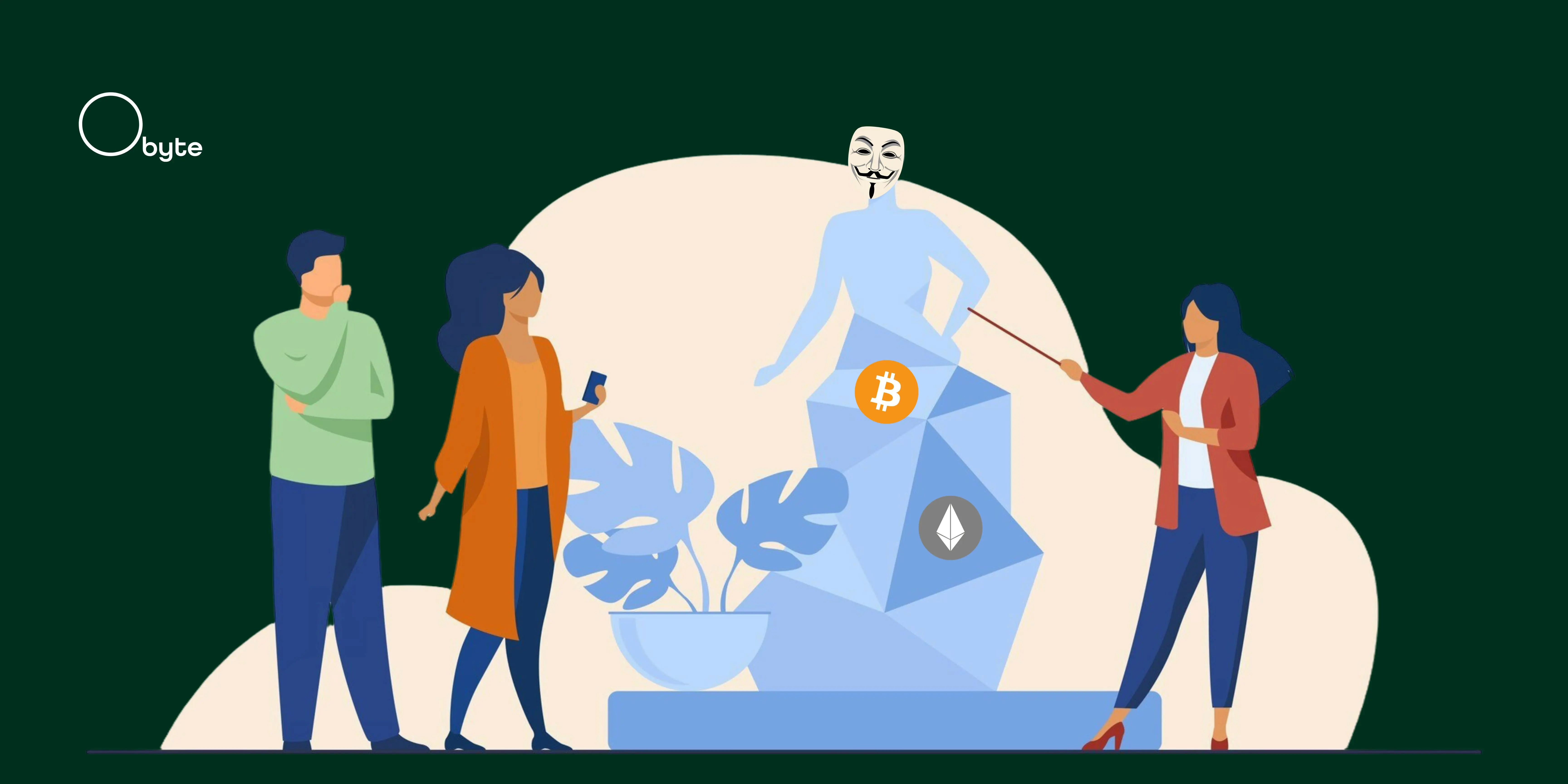
Crypto art is popping up across cities, transforming parks, art galleries, and everyday public spaces into stages for digital creativity. What began as niche digital collectibles has grown into site-specific installations, augmented reality projects, and curated NFT exhibitions that invite wider audiences to experience contemporary digital art outside traditional museum walls.
Some crypto artworks are designed specifically for parks and plazas, using projection mapping, large-scale prints, or augmented reality overlays to integrate with green spaces and architecture. These outdoor installations make digital art more accessible, allowing passersby to discover NFT art during a walk or community event. At the same time, established art galleries are adapting, hosting crypto art shows that treat NFTs and blockchain-based works with the same curatorial rigor as painting or sculpture.
Temporary exhibitions are a hallmark of this movement. Crypto art often appears here and there in pop-up shows, collaborative events, and short-term public displays. Curators and artists favor temporary formats to experiment with interactivity, test new technologies, and create urgency around limited-edition NFT drops. This flexibility helps crypto art reach collectors and casual viewers alike, blending the appeal of ephemeral street art with the permanence of blockchain provenance.
Technologies like blockchain, smart contracts, and AR are central to the ecosystem. NFTs provide verifiable ownership and provenance, while QR codes and mobile apps let visitors unlock hidden layers of work in public spaces. These tools encourage new forms of engagement, from scanning a mural to claim a token to joining a virtual gallery tour. As a result, crypto art in public spaces becomes both a visual spectacle and a gateway to a decentralized community.
The impact extends beyond novelty. Communities benefit from increased cultural activity, and emerging artists gain exposure without relying solely on traditional gatekeepers. Collectors should still consider authenticity, environmental concerns, and local permitting when supporting crypto art installations. Cities and arts organizations are learning to balance innovation with regulation to ensure safe, inclusive public programming.
As crypto art continues to evolve, expect more creative intersections between parks, galleries, and digital platforms. Whether you stumble upon an AR sculpture in a park or visit a temporary NFT show at a gallery, the rise of crypto art is reshaping how we experience and collect art in public spaces.
Published on: March 17, 2026, 6:03 am