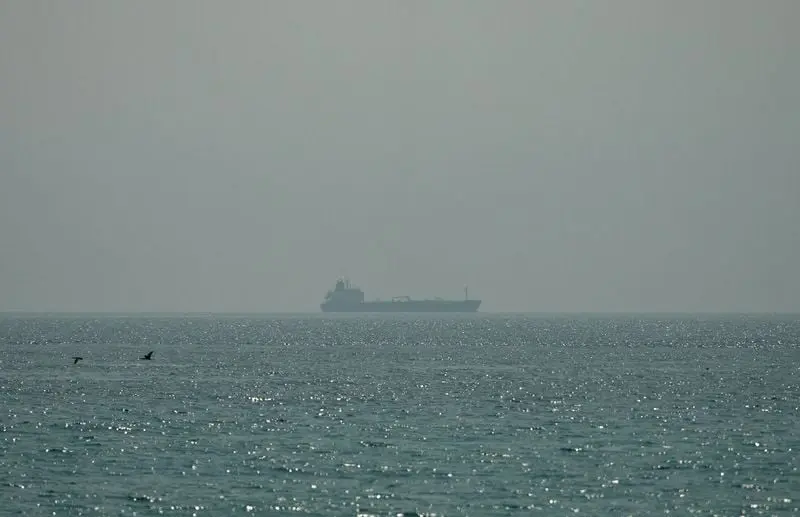
Report: Iran Allegedly Demands Codes, Yuan or Crypto Payments for Strait of Hormuz Passage
Report: Iran allegedly demands secret codes and up to $2M in Chinese yuan or cryptocurrency from ships transiting the Strait of Hormuz, raising security concerns.
Page views: 2
A new report alleges that ships attempting to transit the Strait of Hormuz may be required to present secret codes and pay as much as $2 million in Chinese yuan or cryptocurrencies to avoid being targeted by Iran. If confirmed, the claims raise urgent questions about maritime security, international law, and the future of global shipping in one of the world’s most strategic waterways.
The Strait of Hormuz is a narrow choke point through which a significant share of the world’s oil and gas shipments pass. Any disruption there can quickly ripple through global energy markets and increase shipping costs. Maritime security experts say the idea that payments or secret codes would be used as a de facto toll or protection fee—especially in yuan or crypto—would complicate established norms for safe passage under international law.
According to the report, Iran would demand secret codes and accept payments either in Chinese yuan or in major cryptocurrencies. Shipping companies and insurers would face new operational and compliance risks: verifying authenticity of codes, handling large cross-border payments, and ensuring transactions don’t run afoul of sanctions or anti-money-laundering rules. The use of cryptocurrency introduces traceability and regulatory challenges that could further raise insurance premiums and operational expenses.
The alleged demands could force shipping companies to choose between paying, rerouting around the Arabian Peninsula (which adds time and fuel costs), or seeking naval escorts. Nations with strategic interests in the region may be pushed to increase patrols and convoy protection, raising the likelihood of military involvement and geopolitical escalation.
Legal analysts caution that forced payments for safe passage would violate customary maritime practices and could constitute extortion under international law. Governments, maritime industry groups, and insurers will likely seek urgent clarification and verification of the report’s claims before altering long-term policies.
For shippers and stakeholders, the immediate priorities should be situational awareness, tightened compliance checks on payments, engagement with insurers about changing risk profiles, and monitoring official statements from governments and maritime authorities. As the story develops, companies operating in the Persian Gulf must balance commercial imperatives with legal and reputational risks. The international community will be watching closely to determine how to preserve free and secure navigation through the Strait of Hormuz.
Published on: April 3, 2026, 8:03 am