Regulators Give Preliminary Approval for Trump-Tied Crypto Venture to Run Digital-Asset Bank
Regulators preliminarily approved a crypto venture tied to President Trump to run a digital-asset bank; Democrats condemn and push new rules urgently.
Page views: 2
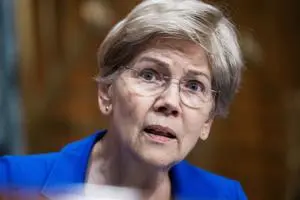
Federal regulators have granted preliminary approval for a cryptocurrency venture tied to President Trump and his family to operate a digital-asset bank, a move that immediately drew sharp criticism from Senate Democrats.
The preliminary approval marks a significant step for the crypto venture, which seeks to offer banking services centered on digital assets. While preliminary status does not mean a final green light, it allows the project to move forward through regulatory processes that may include public comment periods and additional reviews.
Senate Democrats responded quickly, condemning the decision and calling for new legislation to tighten oversight. Their objections center on potential conflicts of interest when a business linked to a sitting president or his family seeks access to the banking system, as well as broader concerns about consumer protection, anti-money-laundering controls, and the stability of the financial system as cryptocurrencies become more integrated with traditional banking.
Advocates of the venture argue that a regulated digital-asset bank could bring benefits: clearer custody rules for crypto holdings, improved access to banking services for crypto firms, and stronger compliance frameworks compared with unregulated exchanges. Proponents say a bank charter could help formalize the crypto sector and reduce the risks posed by off-ramp failures and custody breaches.
Opponents, including many across the Democratic caucus, warn that the association with the president raises both ethical and political questions. They are urging lawmakers to consider new legal guardrails that would limit such approvals or subject them to additional congressional oversight. Suggested reforms include stricter conflict-of-interest rules, expanded transparency requirements, and narrower criteria for who can obtain a charter for a digital-asset bank.
Industry watchers say the case highlights how cryptocurrency policy is increasingly intertwined with politics. If regulators proceed to final approval, it could set a precedent for other crypto ventures seeking formal banking charters. If Congress acts, new legislation could reshape the regulatory landscape for digital-asset banks and change the conditions under which such approvals are granted.
For now, the decision remains preliminary, and both supporters and critics are preparing for the next phase: regulatory review, potential rulemaking, and a likely political fight in Congress. As the story develops, expect intense scrutiny over compliance measures, disclosure practices, and how regulators balance innovation with safeguards for consumers and the financial system.
Published on: August 19, 2026, 8:03 am