Rahm Emanuel Calls to Ban Prediction Market Betting by Federal Employees
Rahm Emanuel urges a federal ban on prediction market betting by government employees, citing ethics and insider-trading risks as he eyes a possible 2028 run.
Page views: 2
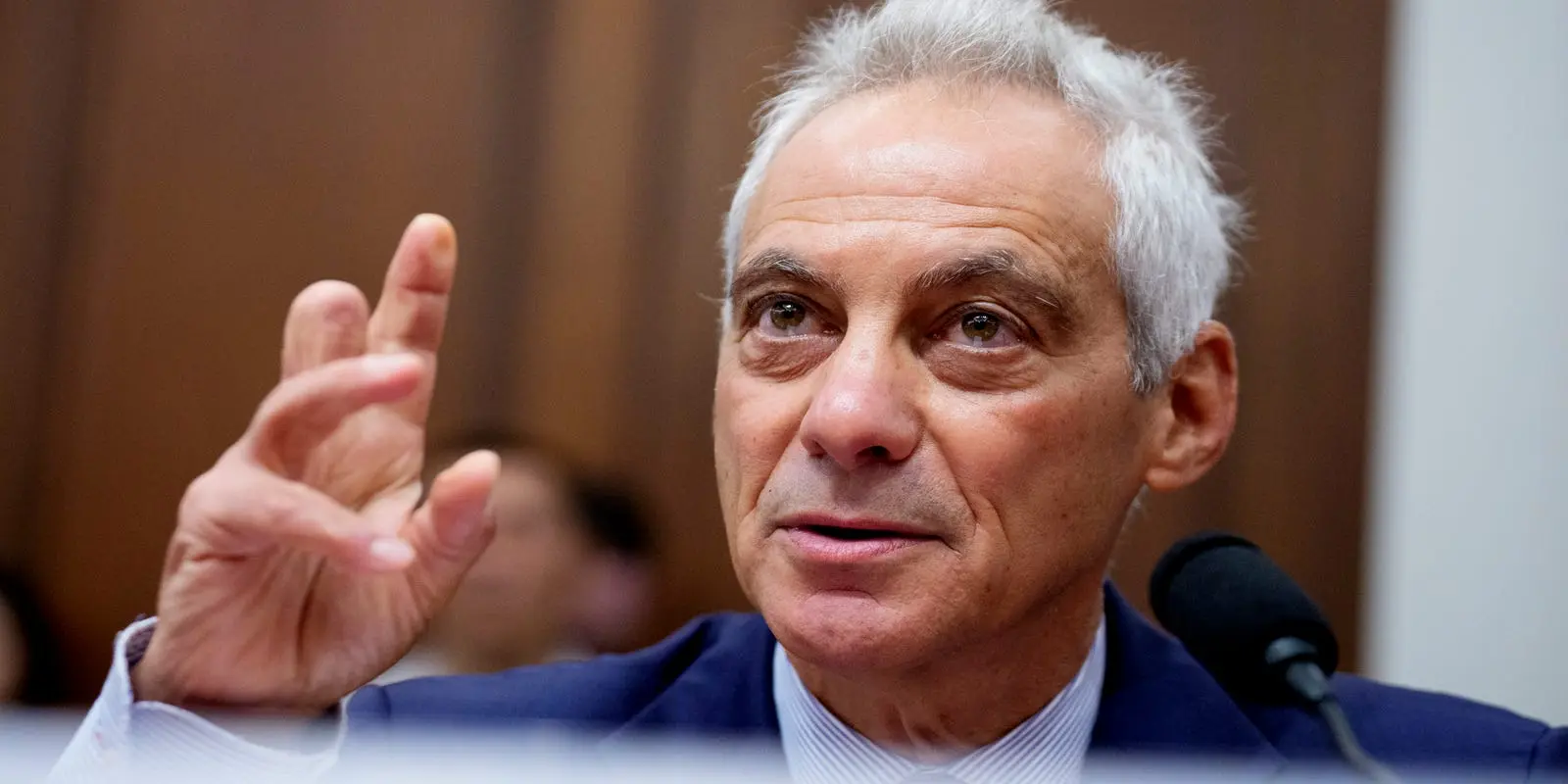
Former Obama chief of staff Rahm Emanuel is urging a federal ban on prediction market betting by government employees, reigniting debate about ethics, insider trading and public trust in government. Emanuel, who has been discussed as a possible 2028 presidential candidate, frames the proposal as a necessary step to protect sensitive information and prevent conflicts of interest.
Prediction markets allow participants to bet on the likelihood of future events — from election outcomes to policy decisions. Proponents argue these markets aggregate information efficiently and can improve forecasting. Critics counter that allowing federal employees to participate creates clear ethical risks: staff with privileged access to classified or nonpublic information could profit from that knowledge, or the appearance of such behavior could undermine confidence in public institutions.
Emanuel’s call for a federal employee ban centers on preventing insider trading and shielding national security. He notes that even seemingly benign wagers can create incentives to influence outcomes or leak information. A targeted ban, he argues, would close a loophole not fully addressed by existing ethics rules and would align federal employee conduct with broader financial regulations that prohibit trading on insider information.
The proposal raises practical and legal questions. How would a ban be enforced? Would it cover only bets on government-related events or span all prediction markets, including those operated for research and public forecasting? Federal agencies already maintain ethics rules and disclosure requirements for many types of outside activities; a new regulation would need to define scope, penalties, and enforcement mechanisms.
Opponents of a ban caution against heavy-handed regulation that could stifle beneficial research and market-based forecasting tools. They argue for narrower restrictions or transparency requirements instead of a blanket prohibition. Policymakers will need to weigh the value of prediction markets against the imperative to protect sensitive information and maintain public trust.
As discussions continue, Emanuel’s proposal is likely to shape the national conversation about ethics, technology and governance — and will draw attention to the role emerging markets play in the lives of public servants as he contemplates a potential 2028 presidential bid.
Published on: March 24, 2026, 10:03 am