One Year After the GENIUS Act: How Stablecoin Regulation Is Reshaping Crypto
One year since the GENIUS Act became law, stablecoin rules are reshaping crypto—impacting compliance, innovation, consumer protection and financial stability.
Page views: 2
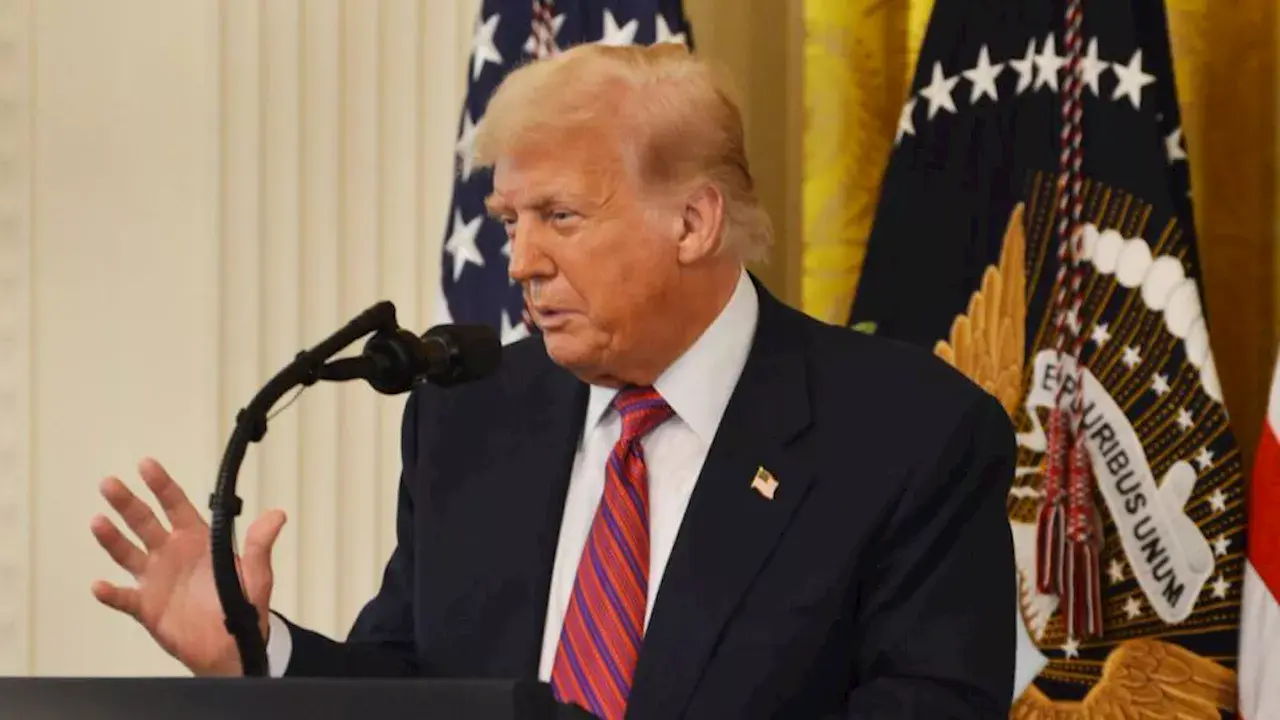
A year has passed since the stablecoin-focused GENIUS Act became law, and the crypto landscape is adjusting. The legislation signaled a new era for stablecoins by providing clearer regulatory expectations and prompting firms, banks, and policymakers to rethink how digital cash-like tokens fit into the broader financial system.
From the start, the GENIUS Act put stablecoin regulation squarely in the spotlight. While industry observers debated details at the time of enactment, one outcome is clear: market participants now operate with greater legal clarity. That clarity has encouraged some projects to pursue formal compliance paths, boosting conversations around licensing, reserve standards, and governance for stablecoins.
Compliance and consumer protection have been central themes since the law took effect. Firms issuing stablecoins face stronger expectations on reserves, audits, and transparency — measures intended to reduce the risk of runs and protect users. At the same time, anti-money-laundering (AML) and know-your-customer (KYC) requirements are shaping onboarding processes and custody models for retail and institutional customers.
The GENIUS Act has also influenced innovation. Clearer rules can lower regulatory uncertainty, encouraging established financial institutions and fintech startups to explore stablecoin-based services like faster payments, tokenized assets, and programmable finance. However, some smaller issuers and decentralized projects have had to adapt or pause operations to satisfy compliance and legal obligations, showing that regulation can both spur and constrain innovation.
On the macro side, policymakers and market participants are watching how stablecoins affect financial stability. The law’s emphasis on safeguards aims to integrate stablecoins into regulated markets without undermining monetary policy or deposit systems. International coordination remains important; cross-border use of stablecoins raises questions that single-jurisdiction rules cannot fully resolve.
Looking ahead, the next year will test whether the GENIUS Act strikes the right balance between safety and innovation. Key indicators to watch include new product launches, adoption by payment providers, enforcement actions, and the evolving dialogue with global regulators. For consumers and businesses, the shift toward regulated stablecoins could mean safer, more reliable digital payments — provided lawmakers and industry keep adapting in tandem.
Published on: July 21, 2026, 4:03 pm