Oil Prices Rise as US-Israeli War with Iran Disrupts Global Supply
Oil prices climb as US-Israeli conflict with Iran disrupts supply chains and shipping routes, driving volatility in crude oil, energy markets and fuel costs.
Page views: 2
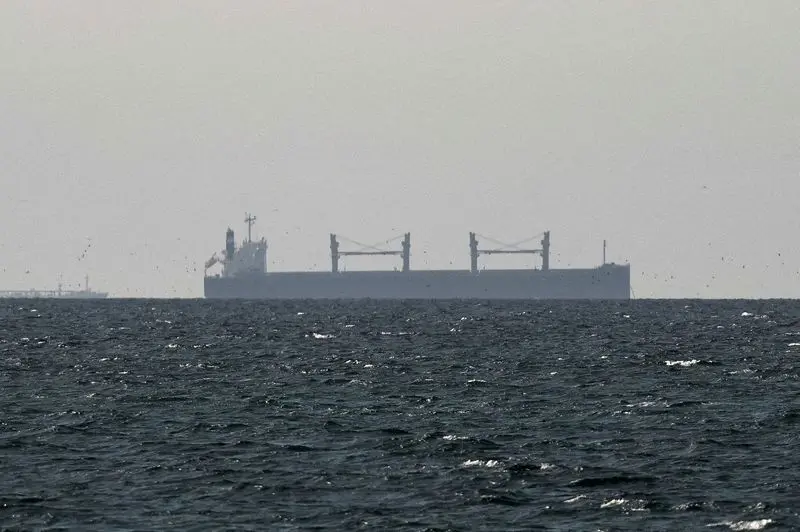
Oil prices opened higher as the US-Israeli war with Iran continues to disrupt supply, sending ripples through global energy markets. Traders reacted to reports of supply interruptions and heightened risk to shipping lanes, pushing crude oil futures up as investors price in further uncertainty.
Supply disruption remains the main driver. Attacks on shipping routes, risks to tanker traffic through the Strait of Hormuz, and interruptions at key export terminals have tightened logistics for crude oil and refined products. With physical flows constrained, inventories in vulnerable regions may fall and delivery times can lengthen, increasing short-term pressure on prices and fuel costs.
Market response has been swift. Brent and WTI crude benchmarks both saw gains as market participants moved to hedge against escalating geopolitical risk. Volatility spiked across energy markets, with traders factoring in potential escalation, insurance premium increases for ships, and the prospect of additional supply outages. Analysts note that even brief disruptions can amplify price swings because the oil market operates on finely balanced supply-demand dynamics.
Policy and industry reactions are likely to shape the next phase. OPEC members and major producers could adjust output plans if the conflict persists, while consuming nations may tap strategic petroleum reserves to stabilize domestic fuel prices. Energy companies are also reassessing logistics and security measures, and shipping firms may reroute vessels to avoid high-risk zones, which could add costs and delays to global supply chains.
Outlook and implications: In the near term, oil prices are expected to remain sensitive to news out of the region. Continued supply disruption would keep upward pressure on crude oil and fuel costs, while de-escalation could trigger relief rallies. For businesses and consumers, the conflict underscores the vulnerability of energy supply lines and the importance of contingency planning. Investors should monitor shipping reports, inventory data, and diplomatic developments to gauge how long the volatility in oil markets may persist.
In summary, the US-Israeli war with Iran has renewed focus on geopolitical risk in the oil market. As supply disruptions continue to influence crude oil prices and energy markets, stakeholders across the value chain will be watching developments closely.
Published on: April 6, 2026, 6:03 am