Oil Prices Rise After US and Iran Threaten Middle East Energy Targets
Oil prices surge as US and Iran threaten Middle East energy targets, stoking supply fears and volatility across Brent and WTI crude trade, and markets jitter.
Page views: 2
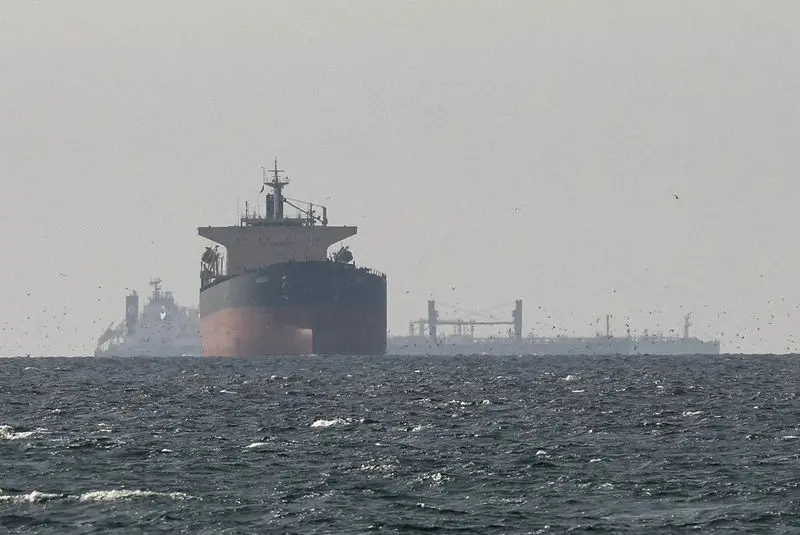
Oil prices climbed sharply after heightened rhetoric from the United States and Iran about striking energy targets in the Middle East. Traders reacted quickly to the possibility of supply disruption, pushing Brent and WTI crude futures higher as investors reassessed risk in global oil markets.
Geopolitical tension in the Middle East remains one of the largest near-term drivers of oil prices. When major producers or transit routes are threatened, markets price in the risk of reduced supply. The latest threats from the US and Iran — each signaling potential actions that could hit energy infrastructure — amplified fears that crude shipments or production could be interrupted, tightening already sensitive markets.
Market participants cited increased demand for safe-haven assets and short-term buying by hedge funds. Volatility in Brent and WTI benchmarks rose as geopolitical headlines dominated trading desks. Oil traders and energy analysts warned that even isolated strikes on refineries, pipelines or shipping lanes could ripple through global supply chains and push retail fuel costs higher.
Beyond immediate price moves, the situation raises broader questions about energy security and contingency planning. Countries dependent on Middle East oil watched developments closely, weighing strategic and economic responses. For businesses and consumers, the main near-term impacts are likely to be higher gasoline and heating costs, while industries with thin margins may face pressure from rising fuel bills.
What to watch next: official statements from Washington and Tehran, shipping route alerts (especially around the Strait of Hormuz), and weekly inventory reports from major agencies. Any confirmation of damage to production facilities or disruptions to tanker traffic would likely extend the price rally.
For investors and energy managers, this episode reinforces the importance of risk management — from hedging crude exposure to diversifying fuel sources. Policymakers may also face renewed calls to strengthen strategic petroleum reserves and international coordination to stabilize supply.
In short, oil prices are responding to real geopolitical risk. While markets can calm if tensions de-escalate, the current threats to Middle East energy targets have reintroduced supply uncertainty, keeping Brent and WTI crude on edge and markets jittery in the near term.
Published on: March 23, 2026, 8:03 am