Oil Prices Rise After Renewed US-Iran Strikes: Middle East Tensions Push Crude Higher
Oil rises after renewed US-Iran strikes in the Middle East, raising geopolitical risk and pushing Brent, WTI higher amid supply concerns and volatility.
Page views: 3
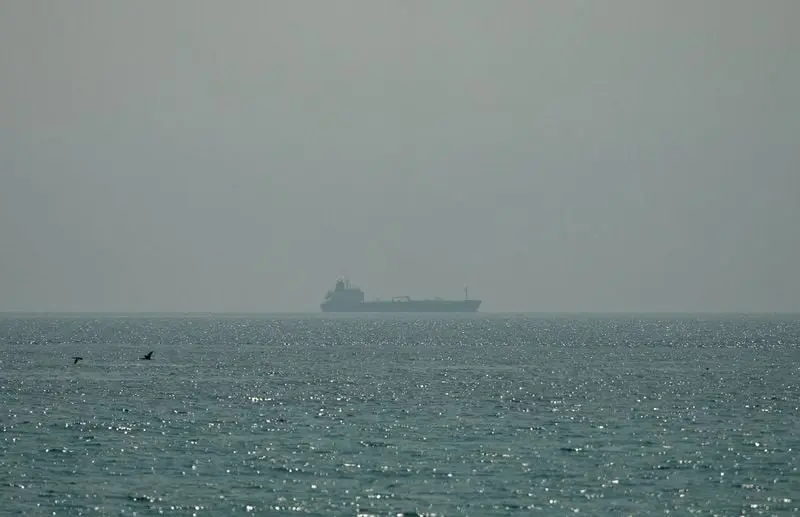
Oil prices climbed as renewed US-Iran strikes in the Middle East stoked fresh geopolitical risk, prompting traders to price in the potential for supply disruptions. Brent and WTI crude both advanced on the news, reflecting heightened market sensitivity to any escalation that could threaten shipping lanes, regional production or energy infrastructure.
The immediate market reaction was driven by a risk premium: when geopolitical tensions flare in the Middle East, oil often responds faster than other assets. Traders and investors are watching crude oil benchmarks closely — Brent typically reacts to Middle East events, while WTI follows broader U.S. inventory and demand signals. Today’s movement highlights how quickly volatility can return to energy markets when conflict intensifies.
Beyond the strikes themselves, concerns about supply chains and insurance costs for tankers have added to upward pressure on prices. Disruption to key shipping routes in the Gulf or damage to export facilities would tighten global supply and lift prices further. At the same time, macro factors such as global demand recovery, OPEC+ production policy and U.S. crude inventories continue to influence longer-term direction for oil prices.
Market participants should expect heightened intraday swings and faster repricing on headlines. For oil traders, that means tighter risk management and closer monitoring of both geopolitical developments and economic indicators. For longer-term energy investors, any sustained increase in the geopolitical risk premium could bolster oil-related assets, but it also raises the prospect of policy responses, sanctions, or shifts in production that would eventually alter the supply outlook.
Key things to watch in the coming days are official statements from U.S. and Iranian authorities, shipping advisories in the Gulf, OPEC+ meeting cues, and weekly inventory reports. These will help determine whether the recent price moves are a short-lived reaction or the start of a broader trend in crude oil markets.
In summary, renewed US-Iran strikes have pushed oil prices higher by increasing geopolitical uncertainty. Traders and investors should prepare for continued volatility, keep an eye on supply indicators, and weigh both short-term headline risk and longer-term fundamentals when assessing the outlook for Brent, WTI and the wider energy market.
Published on: June 29, 2026, 12:03 pm