Oil Drops Over 4% After US-Iran Peace Deal Reopens Strait of Hormuz
Oil falls over 4% after US-Iran peace deal reopens the Strait of Hormuz, easing geopolitical risk and easing crude oil prices; markets reassess supply outlook.
Page views: 2
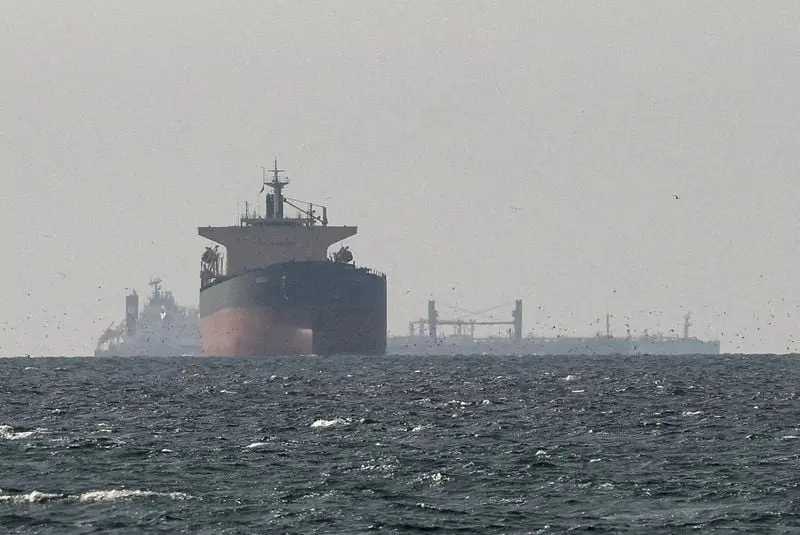
Oil prices slipped more than 4% after news that the United States and Iran reached a peace deal that will reopen the Strait of Hormuz to commercial shipping. The unexpected thaw in tensions removed a major geopolitical risk premium from crude oil, prompting traders to sell volatile positions and driving a sharp retreat in both Brent and WTI benchmarks.
The Strait of Hormuz is a strategic chokepoint through which a significant share of the world’s seaborne oil passes. When the waterway is threatened, global energy markets typically price in potential supply disruptions. With the deal restoring safer passage, market participants saw an immediate easing of concerns about tanker disruptions, higher freight rates and elevated shipping insurance costs — factors that had previously supported higher crude oil prices.
Energy markets responded quickly. Futures contracts that had been bid up on geopolitical fears reversed course as investors recalibrated the supply outlook. Analysts noted that while the risk premium fell sharply, the broader fundamentals — global demand recovery, OPEC+ production decisions and inventory levels — remain central to the next leg of price movement. A durable drop in prices will depend on whether the peace agreement leads to sustained increases in Iranian exports and uninterrupted flows through the strait.
The news also shifted attention back to policy makers and producers. OPEC and allied producers will be watching to see if lower risk premiums translate into easing prices that could prompt production adjustments. Traders will track U.S. crude inventories, refinery runs, and shipping volumes through the Strait of Hormuz for signs that supply is truly loosening. Short-term volatility is likely to persist as markets weigh the trade-off between reduced geopolitical risk and ongoing supply-demand fundamentals.
For consumers and companies in the energy sector, the reopening of the strait offers a welcome reduction in immediate price pressure. However, market participants should remain alert: any breakdown in the agreement, new geopolitical flashpoints, or shifts in OPEC+ policy could quickly revive the volatility that pushed oil up in prior weeks. In the meantime, the oil market’s reaction underscores how sensitive crude prices are to both geopolitical developments and the broader global demand picture.
Published on: June 16, 2026, 2:03 pm