New Strategy Released Friday: Why the Shorter Plan Matters Compared to Biden and Trump
Released Friday, the new strategy is notably shorter than Biden and the first Trump administration's plans — a concise shift with implications for policy.
Page views: 2
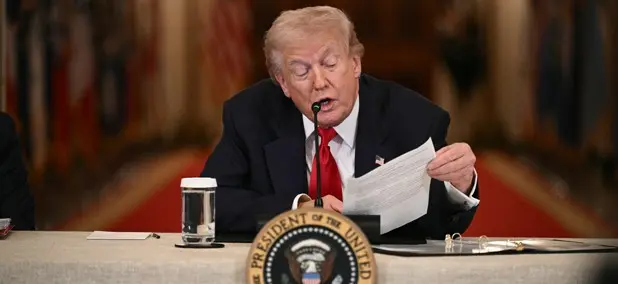
Released Friday afternoon, the new strategy is notably shorter than those issued by Biden and the first Trump administration. That brevity is drawing attention from analysts, journalists, and stakeholders who are weighing what a more concise policy document signals about priorities, communication style, and implementation.
Shorter strategy documents can be deliberate. A compact strategy often aims to clarify core goals, reduce bureaucratic jargon, and make a policy easier for the public and partners to understand. By trimming length, drafters may be prioritizing clear messaging, faster dissemination, and a focus on actionable objectives rather than exhaustive detail. This can help speed decision-making and make it simpler to hold leaders accountable for specific outcomes.
However, concision has trade-offs. Longer strategies issued by the Biden and the first Trump administrations included extensive background, contingency plans, and detailed policy roadmaps that some experts argue are necessary for complex challenges. When a strategy is notably shorter, critics may worry that important contingencies, implementation guidance, or interagency coordination details were omitted. That can leave agencies and partners to interpret high-level goals without a fully articulated operational framework.
Context matters. Comparing this new strategy to previous administrations' documents raises questions about intent and scope. Is the shorter approach an editorial choice to improve public engagement? Or does it reflect a narrower policy agenda that leaves finer points to subsequent guidance and regulations? Observers will watch follow-up materials, briefings, and implementation memos to see whether the initial brevity is followed by more detailed action plans.
For readers tracking policy, the key actions are straightforward: read the strategy for headline commitments, monitor official briefings for implementation details, and watch agency-level guidance that translates goals into operations. Whether the concise approach proves effective will depend on clarity of the commitments, speed of follow-up actions, and the ability of agencies to coordinate without an exhaustive blueprint.
In short, the new strategy released Friday afternoon marks a stylistic and possibly substantive shift. Its shorter length makes it more accessible, but it also raises important questions about how policymakers will turn a compact vision into concrete results.
Published on: March 7, 2026, 11:03 am