Judge Questions 'Manic State' After Hidden Purchases of Five Rolls‑Royces and a Ferrari
Judge said Carl Rinsch may have been in a 'manic state' when he bought five Rolls-Royces and a Ferrari, then allegedly hid the purchases for many years.
Page views: 2
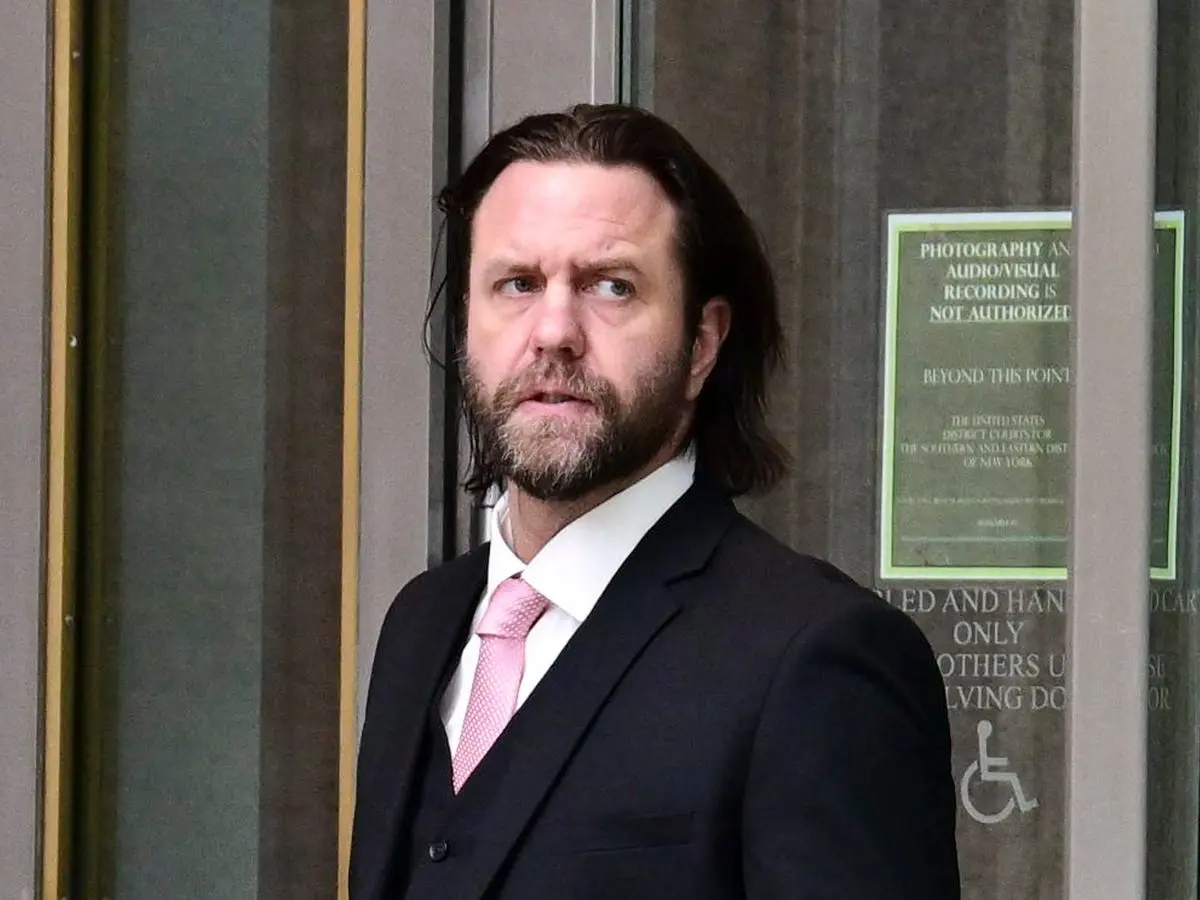
A judge recently suggested that Carl Rinsch may have been in a "manic state" when he purchased an extraordinary collection of luxury cars — five Rolls‑Royces and a Ferrari — but added that those purchases were followed by years of concealment. The court’s comments have brought attention to the intersection of luxury spending, asset concealment and mental health in legal proceedings.
According to the judge’s remarks, the scale and nature of the car acquisitions raised questions about Rinsch’s state of mind at the time. While high-net-worth individuals often buy luxury cars, the combination of multiple Rolls‑Royces and a Ferrari drew scrutiny from prosecutors and the bench. The judge noted that even if a manic episode played a role, attempts to hide or cover up the assets cannot be overlooked when evaluating legal responsibility.
Asset concealment and covering up expensive purchases are central issues in many white-collar and civil investigations. In this case, the alleged years-long effort to disguise ownership of luxury vehicles prompted probing from investigators and led the court to weigh both intent and mental health considerations. Legal experts say that courts must balance compassion for possible mental health crises with the need for accountability when assets are hidden.
The story highlights broader themes: the risks of unchecked luxury spending, the legal consequences of hiding assets, and the growing role of mental health assessments in courtrooms. Lawyers involved in similar cases often recommend thorough documentation, timely disclosure of assets, and cooperation with investigators to avoid harsher penalties. For judges, determining whether behavior stems from a medical condition or deliberate fraud remains a complex, fact-driven task.
As the case proceeds, observers will be watching how the court incorporates psychiatric testimony, financial records and testimony about the years of concealment. Whether the purchases are ultimately treated as the result of a temporary manic episode or deliberate misconduct, the ruling could set important precedents for how luxury car fraud, asset concealment and mental health defenses are handled in future cases.
This developing matter serves as a reminder that high-end purchases attract scrutiny and that transparency around assets can be critical when legal accountability is at stake.
Published on: June 30, 2026, 6:03 am