How Visa's Tokenization Is Redefining Digital Payments and Securing the Future
Visa's tokenization secures digital payments—reducing fraud, enabling seamless mobile wallets and smarter commerce for the future of payments and innovation.
Page views: 2
Visa’s tokenization push is transforming the way consumers and businesses think about digital payments. Once seen primarily as a security measure, tokenization has matured into a platform that enhances payment security, reduces fraud, and unlocks new commerce experiences across mobile wallets, e-commerce, and in-store transactions.
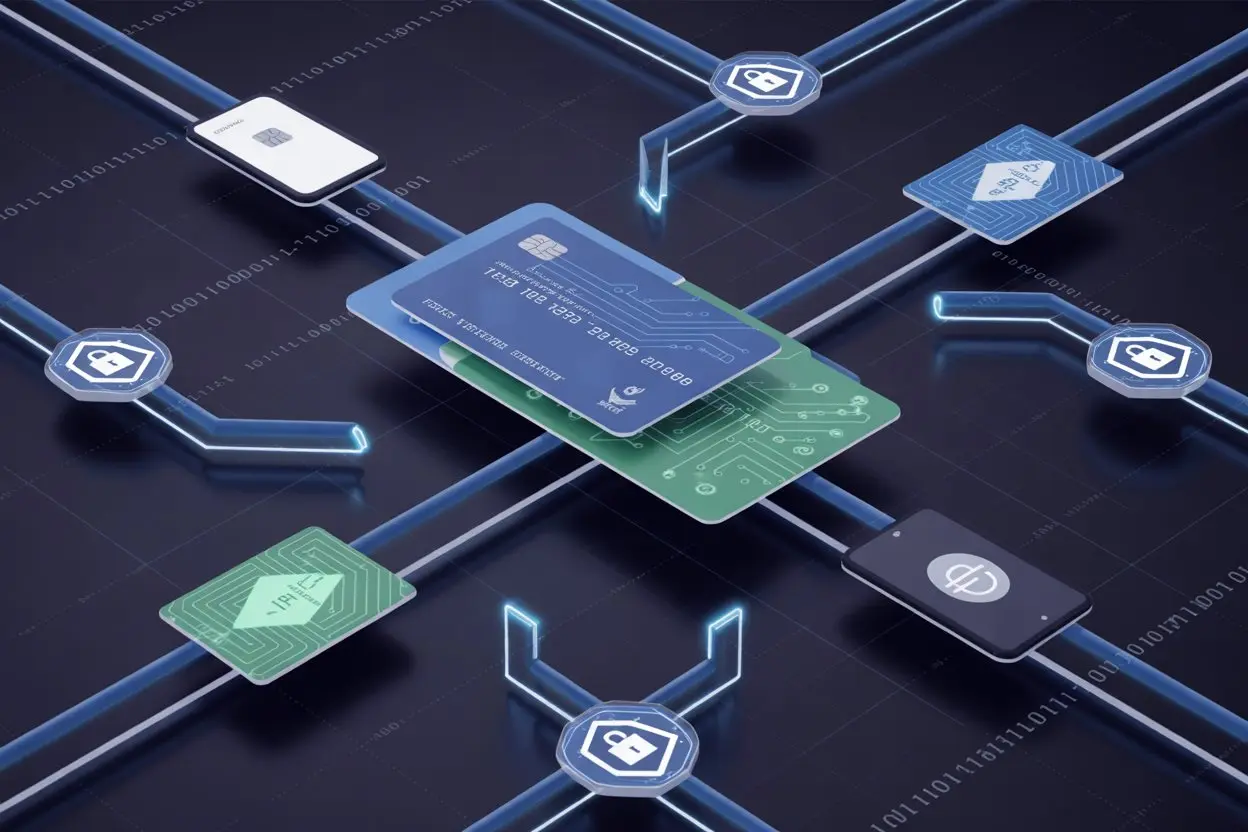
At its core, tokenization replaces sensitive card data with a unique, randomized token. That token can be used for authorization without exposing the actual card number, making card-on-file and mobile wallet transactions far safer. Visa’s investment in token-based authentication strengthens payment security by isolating real account numbers from merchants and processors—dramatically lowering the attack surface for fraudsters.
But Visa’s tokenization efforts go beyond fraud reduction. By standardizing token services and integrating them across digital channels, Visa helps merchants and payment providers streamline checkout, reduce friction, and improve conversion rates. For consumers, that means faster, more reliable payments whether they’re booking travel, buying groceries online, or tapping to pay at a café. For businesses, tokenization simplifies recurring billing, subscription management, and cross-device purchases without repeatedly requesting sensitive information.
The broader implications for the payments industry are significant. Tokenization enables safer mobile wallets, more secure in-app payments, and smoother card-on-file experiences for merchants. It also supports token lifecycle management—provisioning, refreshing, and revoking tokens—so issuers and merchants can respond quickly to compromised credentials without disrupting consumer access.
As the future of payments evolves, Visa’s approach to tokenization helps set standards for interoperability and trust across the ecosystem. This evolution supports innovation in contactless payments, digital identity, and emerging commerce models, while keeping payment security front and center. The combined benefits—improved payment security, reduced fraud, better customer experiences, and operational efficiencies—make tokenization a foundational technology for modern digital payments.
In short, Visa’s tokenization initiative is redefining digital payments by delivering both stronger security and new opportunities for growth. Organizations that embrace tokenization will be better positioned to offer secure, seamless experiences that meet consumer expectations and drive the next wave of payment innovation.
Published on: January 10, 2026, 8:02 am