Fintech Quarterly Results: Comparing Revenue Consistency and Profit Margins
Two fintech leaders’ quarterly results highlight a split: steady revenue consistency in one, volatile top-line growth but stronger profit margins in the other.
Page views: 2
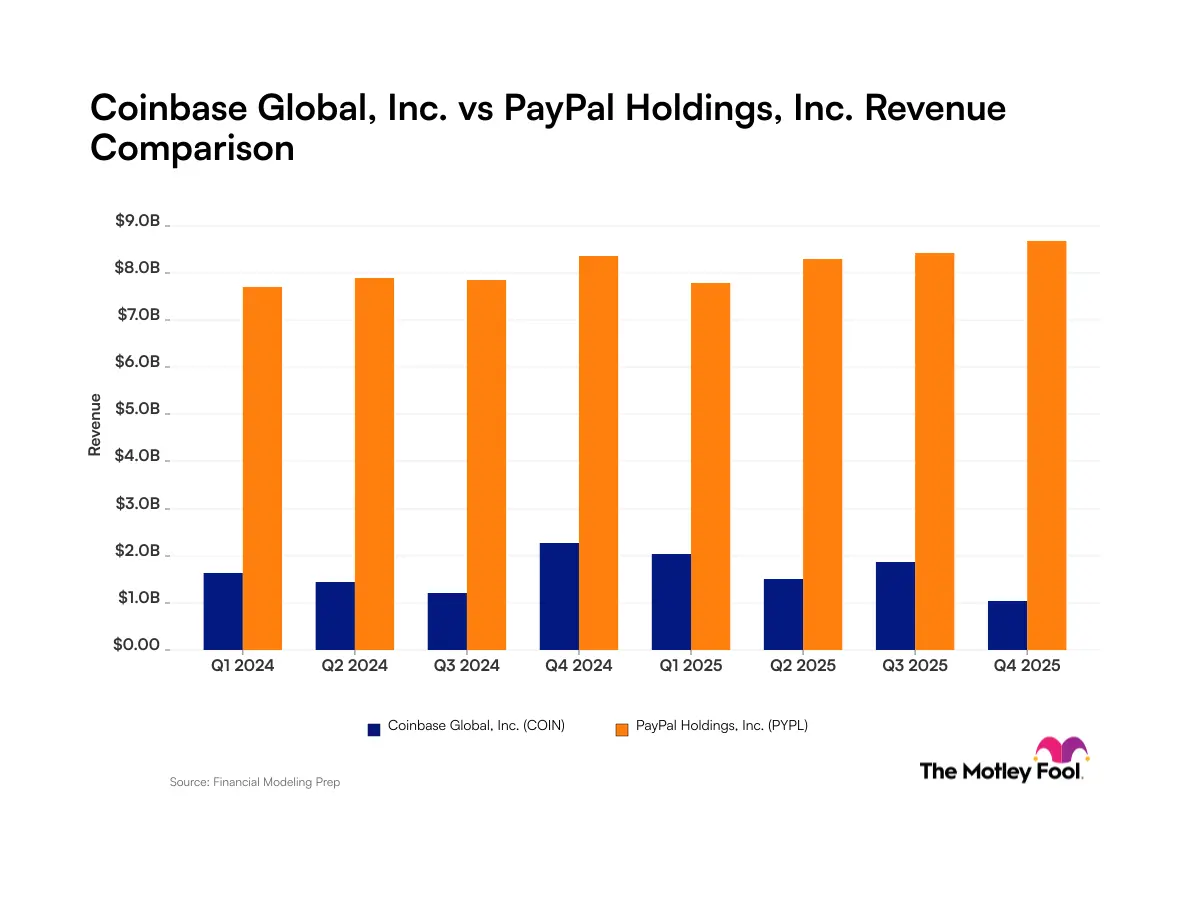
Quarterly results from two leading fintech companies reveal a striking contrast in financial performance. While one firm demonstrates reliable revenue consistency, the other posts more volatile top-line figures alongside stronger profit margins. These patterns matter for investors, partners, and customers who track financial performance and growth strategy.
The first fintech leader shows consistent revenue quarter after quarter, driven by recurring subscription fees, diversified product lines, and high customer retention. This predictable revenue stream improves cash flow forecasting and reduces short-term risk, making the company appealing to conservative investors focused on stability. However, steady revenue consistency does not automatically translate into high profitability. Continued investment in technology, regulatory compliance, and market expansion can compress profit margins even as revenues remain stable. For this company, metrics like customer lifetime value, churn rate, and operating expenses are essential to assess whether steady top-line performance can eventually support margin expansion.
By contrast, the second fintech leader posts erratic revenue patterns but reports stronger profit margins. Volatile revenue often stems from transaction-based models, seasonal volume shifts, or concentrated growth in niche markets. Because variable-cost structures and efficient operations allow this company to convert a larger share of revenue into profit, margins can outperform peers even during uneven quarters. That advantage appeals to investors seeking high returns tied to operational efficiency. Yet the trade-off is greater sensitivity to market cycles—sudden drops in transaction volumes or changes in customer behavior can quickly impact revenue and future profitability.
What should investors and analysts watch? Beyond headline earnings, focus on underlying indicators: revenue consistency, profit margins, gross margin trends, adjusted EBITDA, and free cash flow. Customer acquisition cost, retention, and product mix help explain why one firm achieves steadiness while the other secures margins. Valuation also depends on expected sustainability: a stable revenue base may warrant a premium for predictability, while superior margins may command a multiple if they prove durable.
In summary, quarterly results underline two valid fintech playbooks: steady revenue consistency with reinvestment for growth, or volatile top-line performance with tighter cost controls and higher profit margins. Understanding which profile matches an investor's risk tolerance and time horizon is key when evaluating fintech leaders in an evolving market.
Published on: April 16, 2026, 6:03 am