Federal Reserve's Rate Cut: Navigating Trump's Economy and Stagflation Concerns
The Federal Reserve's interest rate cut signals economic challenges under Trump's policies, hinting at potential stagflation concerns.
Page views: 2
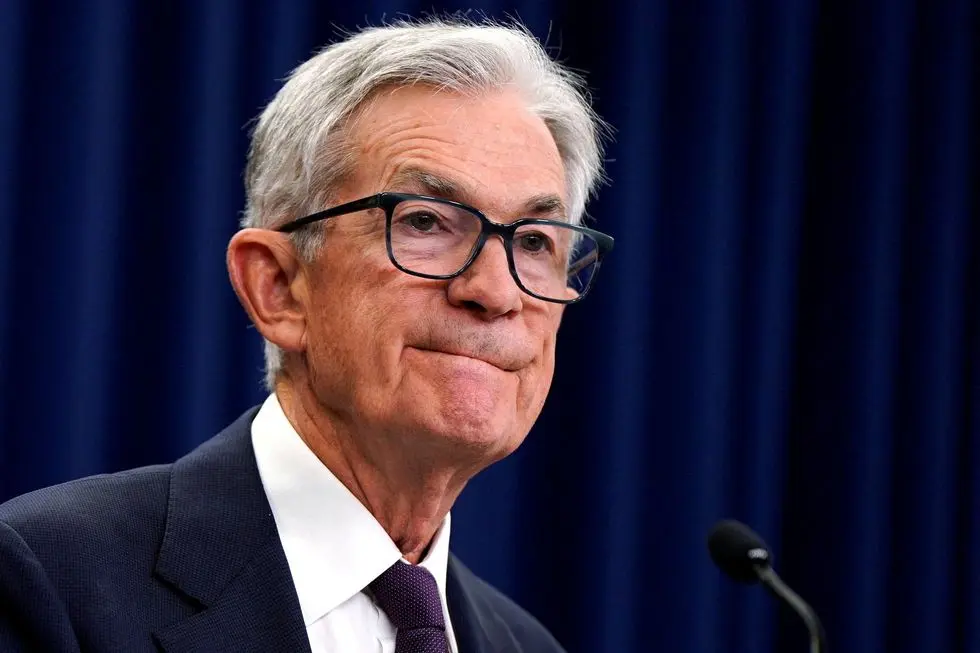
In a recent move, the Federal Reserve announced a slight reduction in the interest rate, a decision that has sparked considerable discussion among economists regarding its implications for the U.S. economy under President Donald Trump. Notably, Heather Long, chief economist at Navy Federal, highlighted that the only dissenting voice against this rate cut was Stephen Miran, a Trump appointee confirmed by the Senate on a party-line vote earlier this week. Miran's opposition stemmed from his preference for a more substantial rate cut of at least 50 basis points, equating to "five rate cuts by year-end," according to Long.
Long expressed surprise at Miran's stance and noted the apparent tension within the Fed's board. She suggested that further rate cuts were likely, forecasting potential reductions in both October and December. Traditionally, the Fed reduces interest rates to stimulate economic growth during downturns, while maintaining stable rates during economic stability to curb inflation. However, Long pointed out that the Fed's current economic projection is particularly concerning as Trump nears the one-year mark of his second term. The Fed anticipates an unemployment rate increase to approximately 4.5 percent, inflation reaching 3 percent, and GDP growth slowing to just 1.6 percent over the next quarter. Long described this scenario as "stagflation-lite," a term used to depict an economy grappling with both high unemployment and rising inflation.
Supporting these observations, University of Michigan economics professor Justin Wolfers emphasized the Fed's bleak economic outlook, suggesting the presence of "stagflation" in the current economic conditions. In his social media posts, Wolfers underscored the Fed's declining confidence in the nation's economic stability, referencing a sharp downgrade in its assessment of rising unemployment and inflation.
Economics reporter Matthew C. Klein interpreted Federal Reserve Chair Jerome Powell's description of the rate cut as a "risk-management cut," hinting at the challenges posed by Trump's economic policies, characterized by tariffs and mass deportations. Political commentator Brian Allen echoed this sentiment, suggesting that Powell's remarks signaled potential economic instability. Allen asserted, "That’s not just a recession. That’s stagflation. And it’s wearing a MAGA hat," implying that the current economic predicament is a direct consequence of Trump's administration.
As the Federal Reserve navigates these complex economic dynamics, the implications of its recent rate cut continue to be a topic of debate among economists and political commentators alike, highlighting the challenges of managing an economy facing both structural and policy-driven risks.
Published on: September 18, 2025, 9:02 am