Fed 'Skinny' Master Accounts Could End Operation Chokepoint 2.0, Senator Lummis Says
Fed 'skinny' master accounts could end Operation Chokepoint 2.0, restoring crypto banking access and fueling faster, cheaper payments, says Sen. Lummis.
Page views: 5
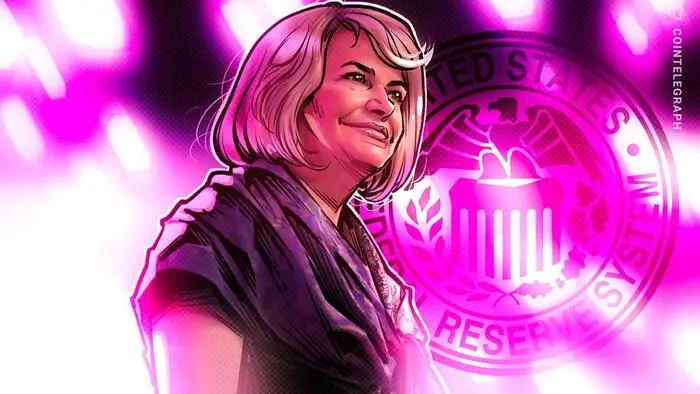
A proposal from Federal Reserve Governor Christopher Waller to create “skinny” master accounts for crypto and fintech firms has reignited debate about debanking and payments innovation. Wyoming Senator Cynthia Lummis, a prominent pro-crypto lawmaker, says the idea would effectively end what the industry calls Operation Chokepoint 2.0.
Waller presented the concept at the Payments Innovation Conference in October: allow payment-only banks and crypto startups access to restricted Federal Reserve master accounts. These “skinny” accounts would offer a simpler route to central banking services while imposing limits that differentiate them from full bank master accounts.
Senator Lummis praised the proposal: “Governor Waller's skinny master account framework ends Operation Chokepoint 2.0 and opens the door to real payments innovation. Faster payments, lower costs, better security — this is how we build the future responsibly.” Her statement frames the plan as both a regulatory shift and a practical solution to longstanding crypto banking access problems.
Operation Chokepoint 2.0 refers to coordinated efforts by some financial institutions to deny banking services to crypto companies and their founders. Venture capitalists and industry executives have documented more than 30 founders who were reportedly debanked. Despite an executive order from President Trump that barred banks from debanking Americans without lawful cause, many Web3 firms say problems persist.
High-profile incidents underline the stakes. In November, Jack Mallers, CEO of Bitcoin payments firm Strike, said JPMorgan closed his account without explanation. Other startups, including stablecoin companies BlindPay and Kontigo, experienced account freezes tied by banks to alleged exposure to sanctioned jurisdictions.
Proponents argue that providing regulated, limited access to Fed master accounts would reduce reliance on commercial banks that may de-risk or debank crypto clients. The approach aims to protect legitimate crypto businesses while maintaining oversight and risk controls through account restrictions.
Critics warn regulators must balance innovation with consumer protection and anti-money-laundering requirements. Still, the debate signals a broader regulatory shift: US officials and some lawmakers increasingly view cryptocurrencies and fintech as essential upgrades to the payments system.
If adopted, skinny master accounts could reshape the relationship between crypto firms and the banking system, lowering costs, improving security, and strengthening crypto banking access. For an industry long plagued by debanking, the proposal offers a path toward greater stability and mainstream payments innovation.
Published on: December 29, 2025, 8:02 am