Digital Euro Blocked in European Parliament: Threat to EU Payment Sovereignty
European Parliament stalls digital euro plan, keeping the EU reliant on US payment networks like Visa, Mastercard and PayPal—threatening financial sovereignty.
Page views: 2
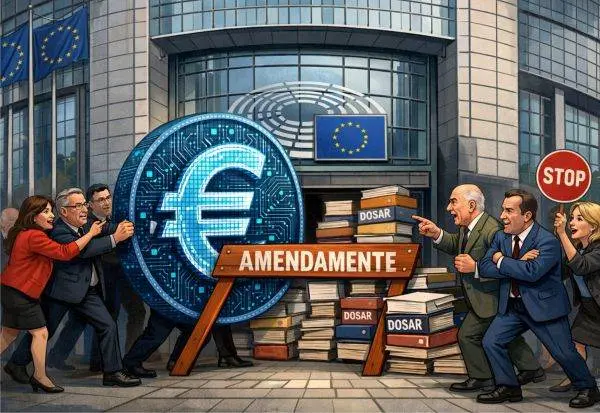
The European Parliament has blocked the introduction of a digital euro, according to an article published by Euronews. The decision halts momentum toward a central bank digital currency (CBDC) that many experts say could reduce dependence on American payment infrastructure such as Visa, Mastercard and PayPal.
Why the digital euro matters is simple: it promises a secure, public alternative for retail payments that could strengthen European financial sovereignty. Supporters argue a digital euro would improve payment resilience, lower fees, and give consumers and businesses an EU-backed option that interoperates across member states without routing transactions through non-EU networks.
Opponents and skeptics in the European Parliament cite concerns about privacy, security, cost, and the potential impact on the banking sector. Questions also remain about design choices for the CBDC, including whether it should prioritize anonymity for small transactions or full traceability to fight fraud and money laundering. These unresolved issues help explain why the measure was blocked.
The role of private payment giants is another factor. Visa, Mastercard and PayPal currently dominate card and online payments across Europe. A digital euro would not necessarily replace these services, but it could reduce their centrality in the payments ecosystem. This prospect raises both political and commercial tensions, and it may have influenced legislators weighing the trade-offs.
Technical and regulatory hurdles further complicate the path forward. Creating a pan-European digital currency requires harmonized rules, robust cybersecurity, and seamless cross-border interoperability. The European Central Bank and member states must also coordinate on monetary policy implications and infrastructure costs, all while ensuring consumer protection.
What happens next is uncertain. Blocking the proposal does not mean the idea is dead. Continued pilot projects, stakeholder consultations, and further debate in the European Parliament could reopen the discussion. For now, the EU remains tied to existing international payment rails, and the conversation about digital sovereignty and payments innovation continues.
For readers tracking EU fintech and CBDC developments, this setback is a reminder that technological progress and political consensus must advance together. The digital euro debate will likely reappear as Europe seeks a balance between innovation, security, and independence from foreign payment networks.
Published on: March 6, 2026, 8:03 am