Decentralized Crypto Networks: Wallets, Validators and Preventing Sybil Attacks
Learn how decentralized crypto networks let anyone create wallets and run validators anonymously — and why identity protection matters to prevent Sybil attacks.
Page views: 2
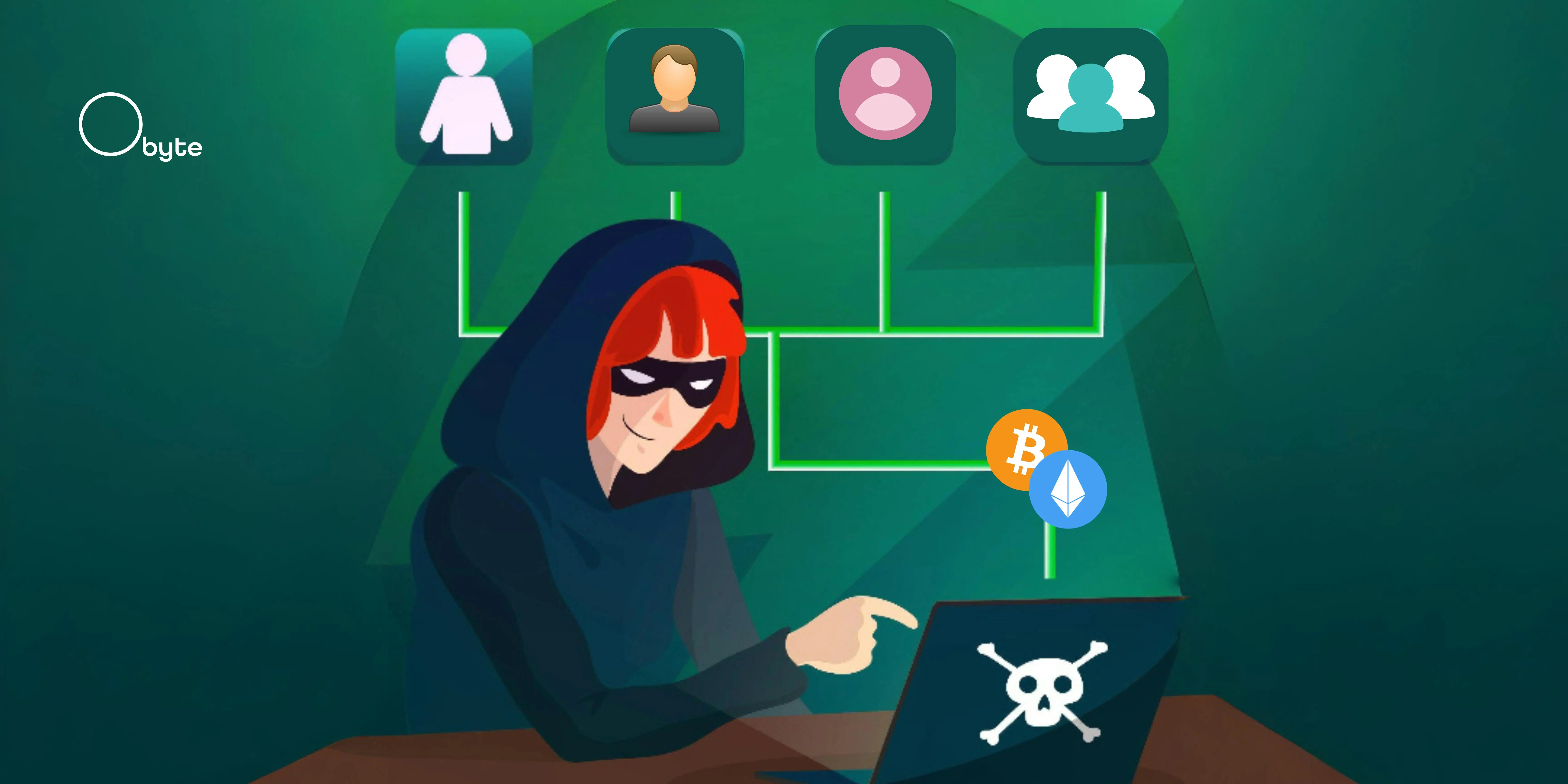
Decentralized crypto networks differ from traditional banks: there’s no central boss, no branch to visit, and no gatekeeper approving access. Anyone with a device and internet can create a wallet in minutes and begin interacting with tokens, smart contracts, and decentralized apps. That open access is central to crypto adoption and financial inclusion.
At the heart of these systems are block producers — miners, validators, or equivalent roles — who secure the network and validate transactions. Most public blockchains are pseudonymous, meaning participants operate under addresses rather than real-world identities. That pseudonymity preserves privacy and lowers barriers to entry, enabling developers and users around the world to contribute without revealing personal information.
But openness and pseudonymity bring risk. One of the most important threats to blockchain security is the Sybil attack, where an attacker creates many fake identities (or nodes) to gain disproportionate influence. In proof-of-stake, proof-of-authority, or other consensus mechanisms, poorly designed incentives or weak identity checks can allow bad actors to manipulate voting, censor transactions, or destabilize the network.
Mitigating Sybil attacks requires careful protocol design and identity protection strategies that don’t sacrifice decentralization. Common defenses include staking requirements that make attacks expensive, reputation systems that reward long-standing validators, and cryptographic identity schemes such as decentralized identifiers (DIDs) or verifiable credentials. Some networks blend lightweight on-chain identity with optional KYC for high-risk roles, while preserving pseudonymity for ordinary users.
Developers also deploy rate limits, randomized validator selection, and economic slashing policies to deter malicious behavior. Community governance and transparent node software audits further strengthen defenses by creating social and technical accountability without centralizing power.
For everyday users, simple steps improve safety: use hardware wallets, enable multi-factor protection where available, and choose networks with robust validator ecosystems and clear security models. For builders, the challenge is balancing open access with blockchain security, designing systems that are both permissionless and resilient.
The promise of decentralized crypto networks is powerful, but it depends on smart identity protection and anti-Sybil measures. By combining economic incentives, cryptographic identity tools, and community governance, projects can keep networks open, private, and secure — supporting broader crypto adoption without inviting exploitation.
Published on: April 11, 2026, 8:03 am