Crypto ATM Crackdown: States and Cities Fight Back Against Surging Scams
States and cities are banning or restricting crypto ATMs after nearly $389 million in fraud losses. Learn how regulators are protecting consumers.
Page views: 2
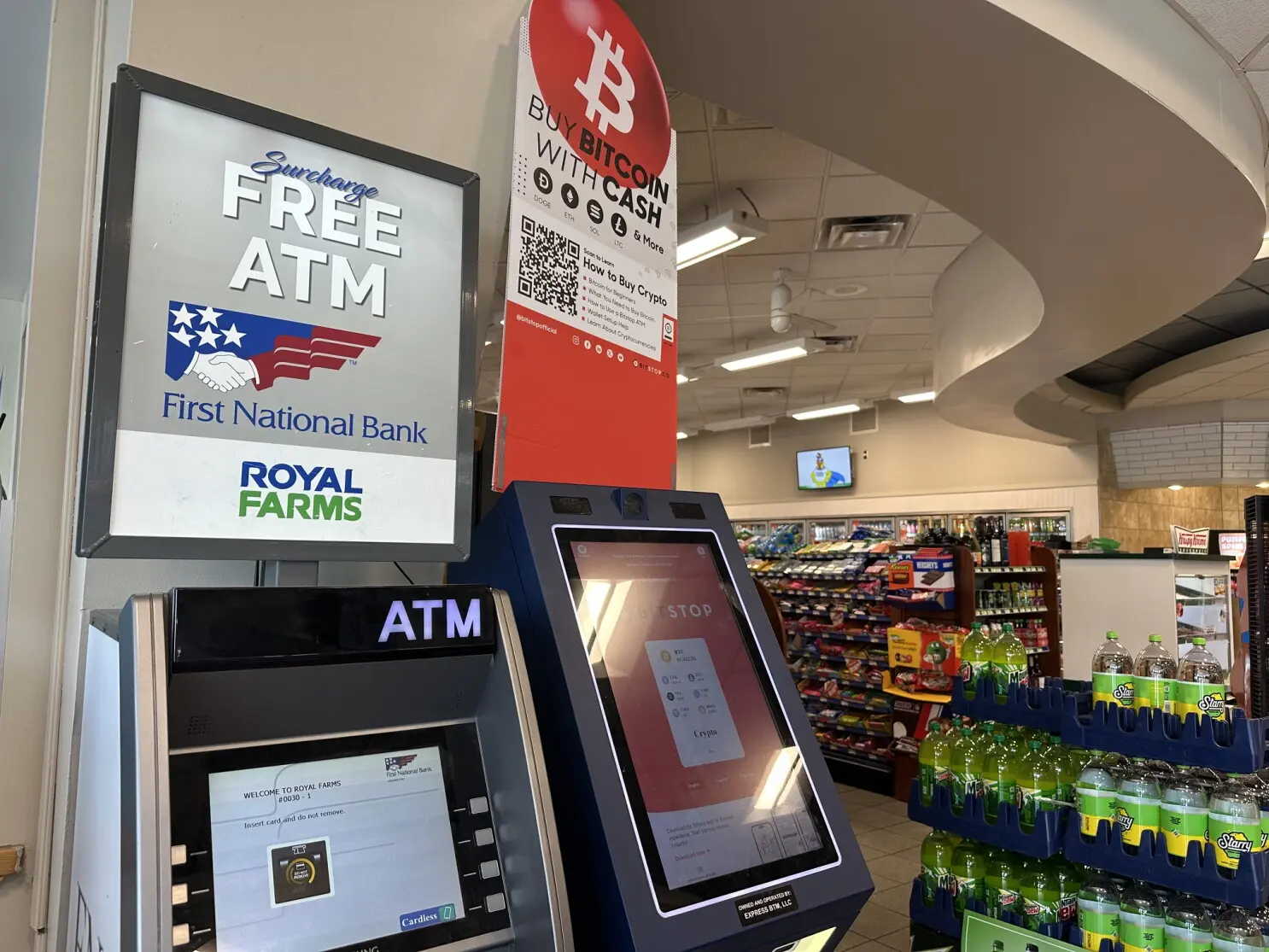
Cryptocurrency ATMs were once hailed as a bridge between traditional cash and digital assets. But as their popularity has grown, so has their darker side. With nearly $389 million in reported fraud losses last year, states and local governments are now cracking down hard on these machines.
Why Are Crypto ATMs a Target for Scammers?
Crypto ATMs allow users to buy Bitcoin and other digital currencies by inserting cash. Unlike bank transfers, these transactions are fast, irreversible, and often anonymous — making them a magnet for scammers. Fraudsters routinely trick victims into depositing cash into these machines, then instantly move the funds to untraceable wallets.
Elderly individuals and less tech-savvy users are especially vulnerable. Fake government agents, tech-support scams, and phony utility shut-off warnings often pressure victims into using a crypto ATM to "resolve" a fabricated emergency.
A Growing Regulatory Backlash
The scale of the problem has prompted urgent action. Four states have now banned crypto ATMs outright, citing consumer protection concerns. Meanwhile, dozens of cities and counties are imposing new restrictions, including daily transaction caps, mandatory fraud warnings, licensing requirements, and cooling-off periods.
These measures are designed to interrupt the scam pipeline and give consumers a moment to reconsider before sending irreversible payments.
What the Crackdown Means for Consumers
For legitimate crypto users, the new rules may feel intrusive. However, regulators argue that stricter oversight is necessary to restore trust in the industry. Many operators are responding proactively by adding on-screen scam alerts, transaction limits, and enhanced identity checks.
Consumers should also do their part. Always verify who you are sending money to, be wary of unsolicited calls demanding crypto payments, and remember that legitimate government agencies never ask for Bitcoin through an ATM.
The Road Ahead for Crypto Regulation
The surge in crypto ATM scams has become a defining challenge for digital currency regulation. As federal agencies study the issue, state and local interventions are likely to expand. For now, the message from regulators is clear: protecting consumers takes priority over convenient access.
If you or a loved one has been approached with a crypto ATM demand, stop, verify the claim independently, and contact local authorities or the FTC immediately. When it comes to crypto ATMs, a few seconds of caution can save thousands of dollars.
Published on: November 18, 2026, 7:03 am