Chainlink Expands to $40T in Asian Stocks, but LINK Stays 79% Below Its ATH: Here's Why
Chainlink adds $40T in Asian stock data, but LINK remains 79% below its ATH. Discover why network growth doesn't translate into token price gains.
Page views: 2
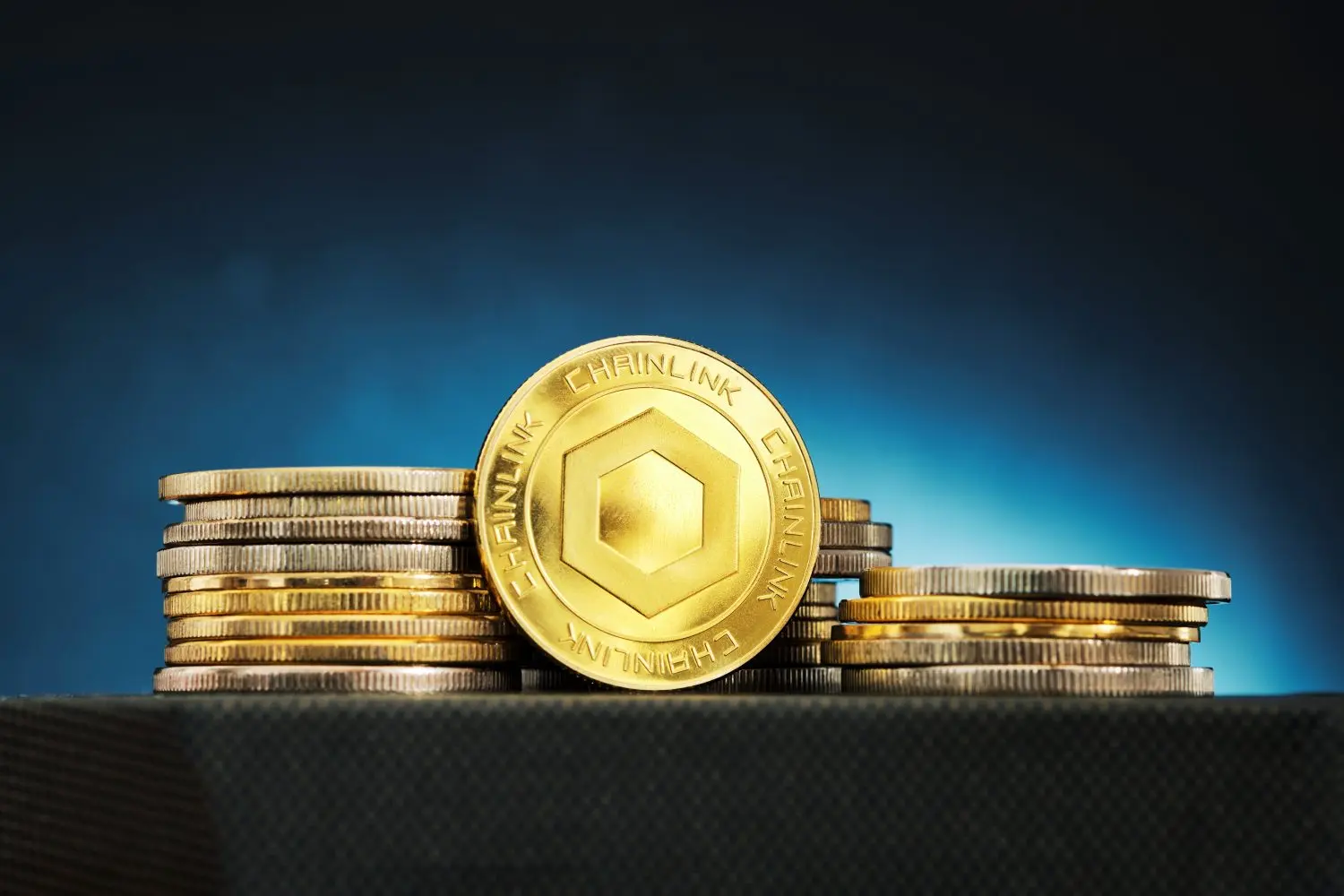
Chainlink just took a major leap in global market coverage. Its oracle network now streams real-time price data for roughly $40 trillion in Asian equities, bringing an enormous swath of regional stocks into the decentralized finance ecosystem. On paper, that sounds like a massive win. So why is LINK still trading about 79% below its all-time high?
The Expansion
Chainlink's price feeds are the backbone of countless DeFi applications. Expanding into Asian stock markets means smart contracts can now settle against real-world assets like Japanese, Chinese, and Korean equities. It's a significant step toward bridging traditional finance and on-chain markets. But for token holders, the excitement has been muted.
The Missing Link: Token Demand
The problem is a fundamental disconnect between what Chainlink sells and what drives LINK price. Chainlink sells oracle services, not token utility. The network charges fees in LINK to incentivize node operators, but the actual demand for LINK in the open market remains limited. Most users pay node operators directly with fiat or stablecoins, and there is no built-in mechanism that forces massive LINK accumulation from rising data consumption.
In other words, Chainlink can keep adding integrations and expanding into $40 trillion markets, but existing token holders may see little direct benefit. The value of the network doesn't automatically translate into the value of the token.
Why LINK Could Still Recover
That doesn't mean LINK is doomed. If Chainlink introduces stronger fee-burning mechanisms, staking rewards, or more token-aligned incentive modules, increased usage could eventually flow through to price. In the meantime, the expansion into Asian equities is a strong acknowledgment of Chainlink's dominance in the oracle sector.
Investors, however, need to understand that network growth and token price performance are not always the same thing. As Chainlink continues to integrate traditional assets, the real test will be whether the token can capture some of that value.
Published on: November 4, 2026, 7:03 am