Ceasefire Calms Skies but Shippers Avoid the Strait of Hormuz
A fragile Middle East ceasefire quieted the skies, yet shippers still avoid the Strait of Hormuz, raising shipping costs and straining the global oil supply.
Page views: 2
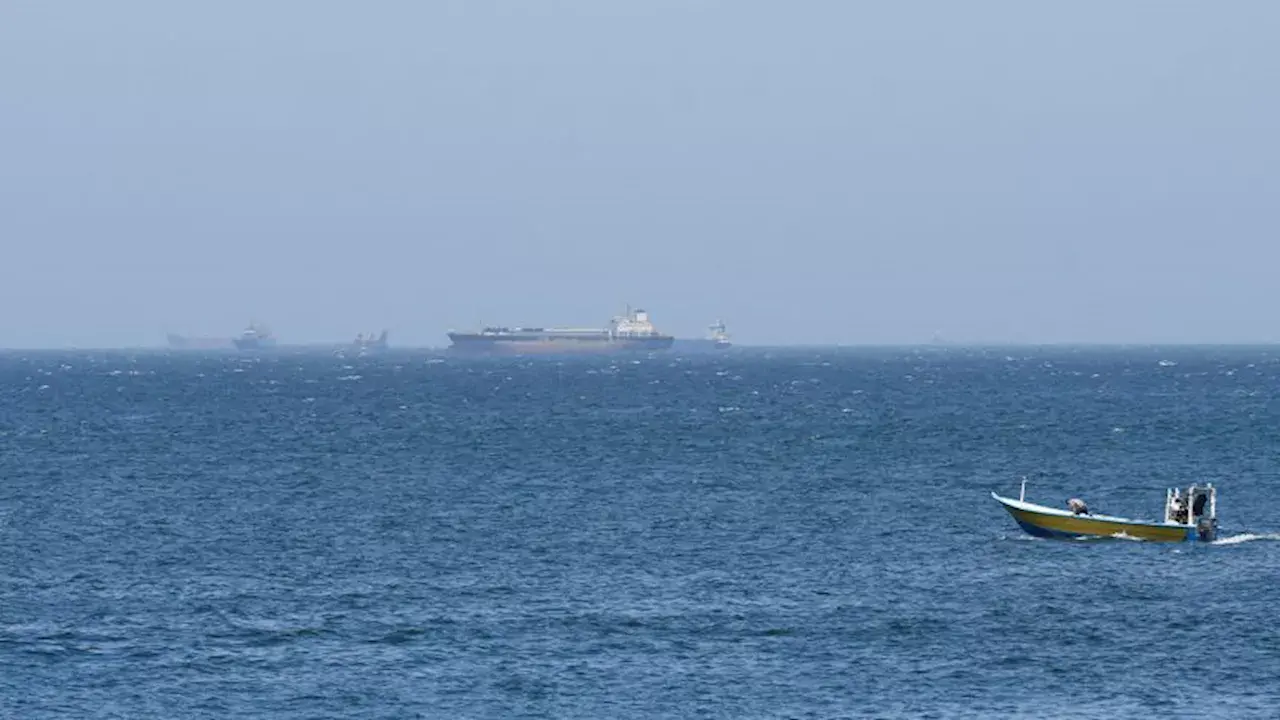
A fragile ceasefire has mostly quieted the skies over parts of the Middle East, but maritime trade remains on edge. Even with fewer air strikes and reduced visible hostilities, many shipping companies are reluctant to send tankers through the Strait of Hormuz—the narrow waterway that channels roughly 20% of the world’s oil supply.
The Strait of Hormuz is a strategic chokepoint linking Persian Gulf producers to global markets. Its importance to global energy security means any perceived risk spooks charterers, owners and insurers. Shipping firms weigh the threat of attacks, mines, or escalations against sharply higher insurance premiums and the potential for costly delays. The result: fewer vessels are transiting this critical route despite calmer skies.
Avoiding the strait comes with real costs. Rerouting through longer passages—around the Cape of Good Hope, for example—increases voyage time, bunker fuel consumption and operational expenses. Those costs can ripple into freight rates and ultimately consumer fuel prices. The hesitation of oil tankers and bulk carriers to use the Strait of Hormuz therefore puts additional pressure on already tight global energy markets and complicates logistics for traders and refiners.
Beyond economics, the situation highlights persistent concerns about maritime security. Naval escorts, convoy systems and enhanced monitoring can reduce some risk, but these measures are expensive and resource-intensive. Insurance markets respond fast: war-risk premiums and special per-voyage clauses can spike during flare-ups, deterring smaller operators and lowering overall capacity in the shipping market.
For policymakers and industry leaders, the current lull is an opportunity to restore confidence. Clear diplomatic progress, predictable security guarantees and transparent risk assessments from maritime authorities can encourage gradual resumption of normal shipping patterns. Energy-importing nations may also accelerate diversification strategies—strategic reserves, alternative suppliers and pipeline options—to reduce exposure to chokepoints.
As global energy demand remains firm, the fate of the Strait of Hormuz will be a bellwether for markets and maritime trade. Traders, shippers and consumers alike will be watching for durable security improvements that can bring tankers back through this vital route and ease pressures on the global oil supply chain.
Published on: April 10, 2026, 2:03 pm