Blockchain Transfers vs Payments: Why Most On-Chain Transactions Aren't Real Payments
Most on-chain activity consists of raw token transfers, not real payments. Discover why blockchain transfers differ from payments and implications for commerce.
Page views: 2
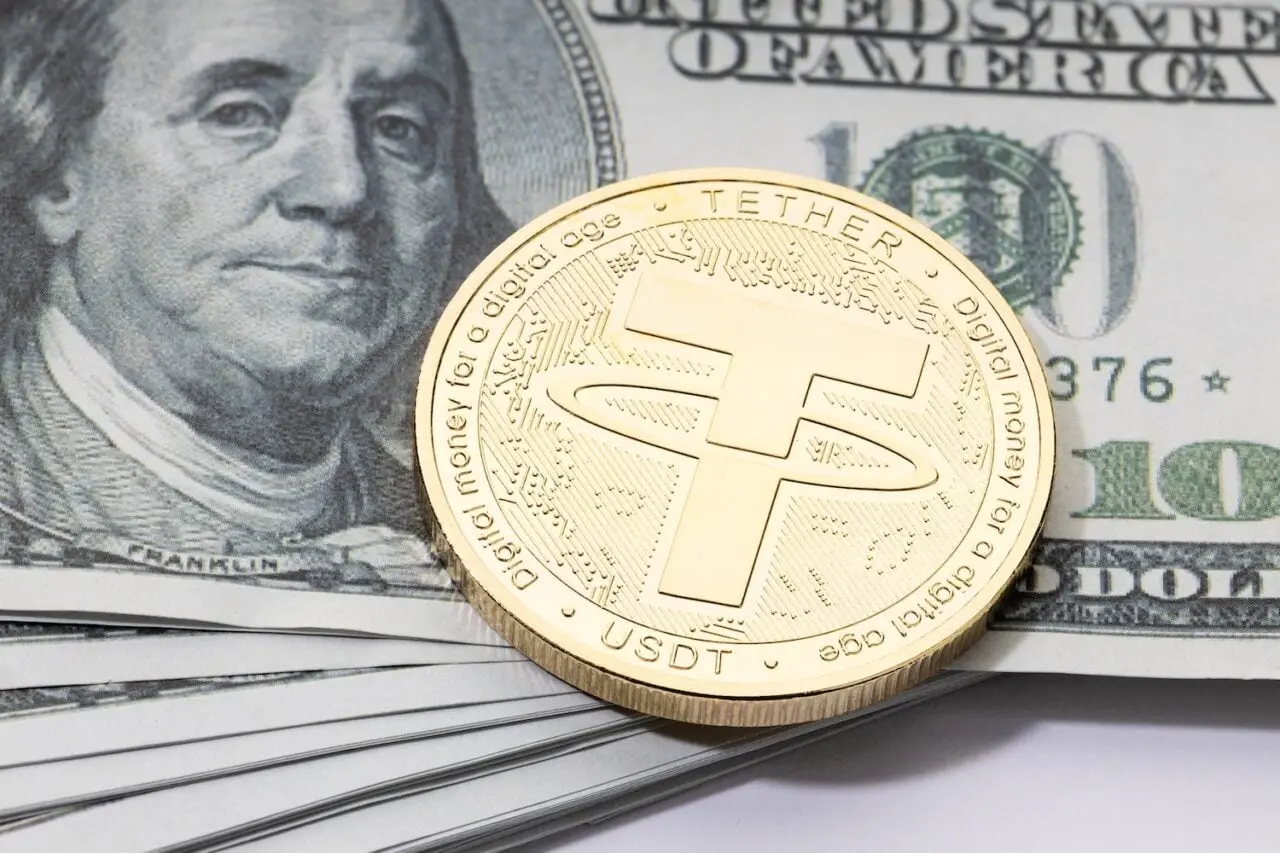
There are tons of raw blockchain transfers, but few could be considered 'payments'. On-chain activity includes wallet-to-wallet token moves, smart contract calls, airdrops, bridge operations and DeFi swaps — many of which are not intended as settlements for goods or services. Understanding the difference matters for crypto adoption, merchant integration and everyday usability.
A true payment implies intent, invoicing, agreed value and a recipient expecting settlement. By contrast, token transfers can be internal accounting, liquidity shifts, gas-funding operations or automated contract flows. A developer sending tokens to seed a protocol, a bridge moving assets between chains, or an automated market maker rebalancing liquidity are all transfers without the commercial context of payments.
Technical barriers make genuine crypto payments uncommon. Volatile transaction fees and confirmation times complicate price stability and user experience. Tokens vary widely — native coins, ERC-20 tokens, NFTs and wrapped assets — and not all are practical for retail payments. Stablecoins and Layer 2 networks help, but volatility, UX friction and wallet complexity still deter mainstream merchant adoption.
Payment requirements extend beyond settlement. Merchants need invoices, refunds, receipts, reconciliation and sometimes chargeback options — services blockchains don’t provide natively. That’s why payment processors, custodial wallets and off-chain rails have emerged: they convert raw blockchain transfers into usable crypto payments by handling invoicing, exchange to fiat, and customer service.
The future looks brighter as infrastructure evolves. Programmable money, on-chain invoicing standards, meta-transactions and micropayment channels (like Lightning or state channels) are turning more transfers into actual payments. Stablecoins and fiat-backed rails reduce volatility risk, while better wallets and merchant tools improve UX. As tooling matures, a larger share of blockchain activity will be engineered and labeled as payments rather than generic transfers.
Recognizing the difference between transfers and payments helps businesses evaluate crypto strategies realistically. For now, most on-chain moves are raw transfers — but with the right layers and standards, blockchain can deliver fast, transparent and programmable payments at scale.
Published on: January 26, 2026, 11:02 am