Bitcoin Energy Debate: Mining Efficiency, Environmental Impact, and Renewable Solutions
Explore Bitcoin's energy debate: mining's environmental impact, efficiency gains, renewable use, and how critics and supporters responsibly view sustainability.
Page views: 2
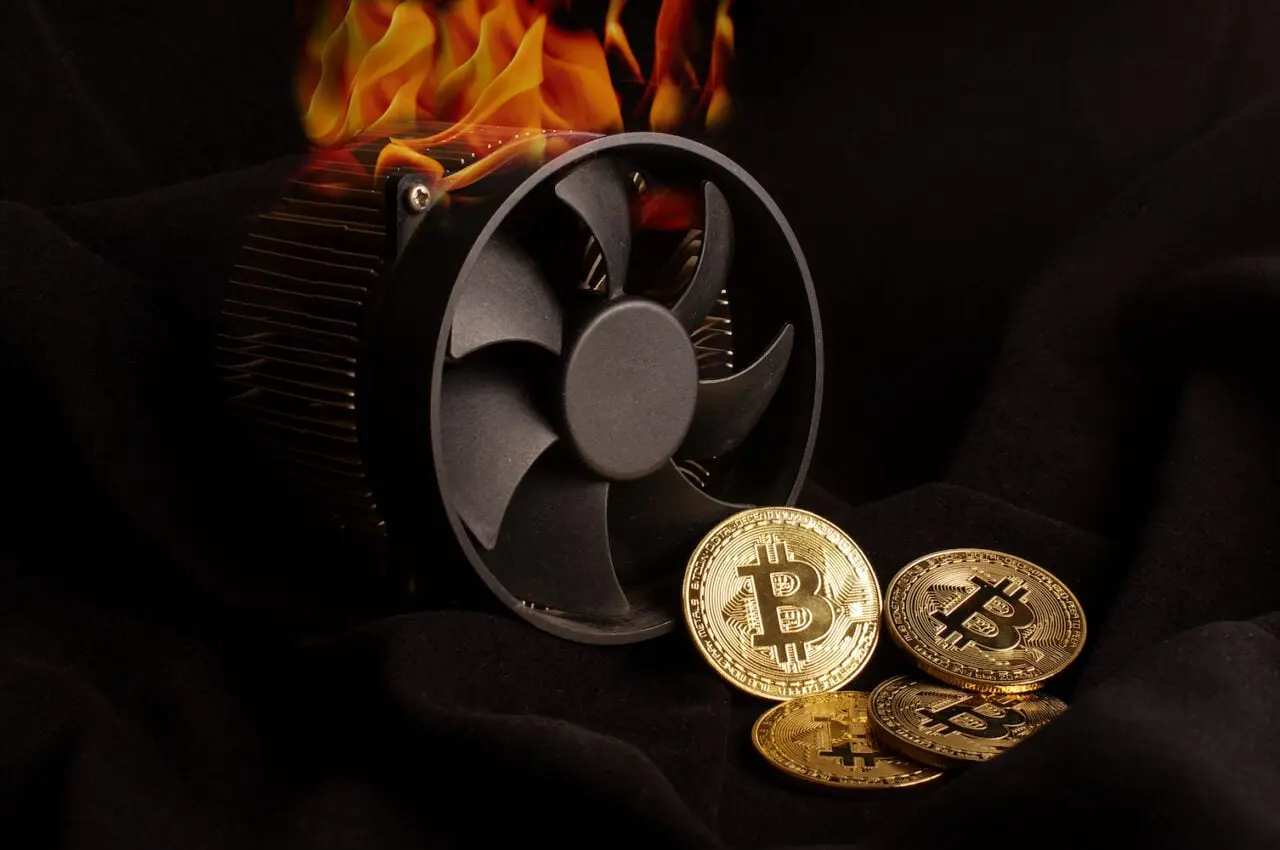
Bitcoin's energy consumption has become one of the most persistent topics in the cryptocurrency conversation. As networks grow and mining operations scale, questions about bitcoin mining, energy efficiency, and environmental impact dominate headlines and policy debates.
Of course, bitcoin critics would argue there is nothing truly gained here in terms of energy efficiency. That criticism centers on Proof-of-Work's raw electricity demand and the large carbon footprint associated with some mining farms. Critics also point to comparisons with traditional financial systems and call for clearer metrics to measure cryptocurrency sustainability.
Proponents respond by highlighting a range of efficiency improvements and real-world innovations. Modern ASIC miners are far more energy-efficient than early rigs, dramatically reducing watts per hash. Many large mining operations now prioritize renewable energy sources—solar, wind, hydro—and tap otherwise wasted fuel sources like stranded gas or flare gas, turning waste into value while lowering net emissions. These trends matter when evaluating bitcoin energy consumption at scale.
Beyond hardware and power sourcing, the industry is experimenting with solutions that improve overall system efficiency. Waste heat recovery—where mining heat is used to warm buildings or greenhouses—turns a byproduct into a resource. Some miners participate in grid balancing, powering down to ease local demand spikes, which can help integrate more intermittent renewable energy onto grids. Layer 2 protocols and off-chain solutions also reduce the energy footprint per transaction by batching activity while relying on the main chain for security.
Still, the debate is far from settled. Accurate lifecycle analyses, transparent reporting of energy mix, and consistent benchmarks for carbon intensity are needed to separate optimistic narratives from proven outcomes. Policy makers, miners, and energy providers must collaborate to incentivize cleaner operations and fund research into low-carbon mining practices.
In short, bitcoin's environmental impact and energy efficiency are complex, evolving issues. While critics raise valid concerns, technological improvements and renewable integration show tangible pathways to reduce carbon footprint. Continued innovation, transparency, and smart regulation will determine whether bitcoin can become more sustainable in practice.
Published on: January 12, 2026, 11:02 am