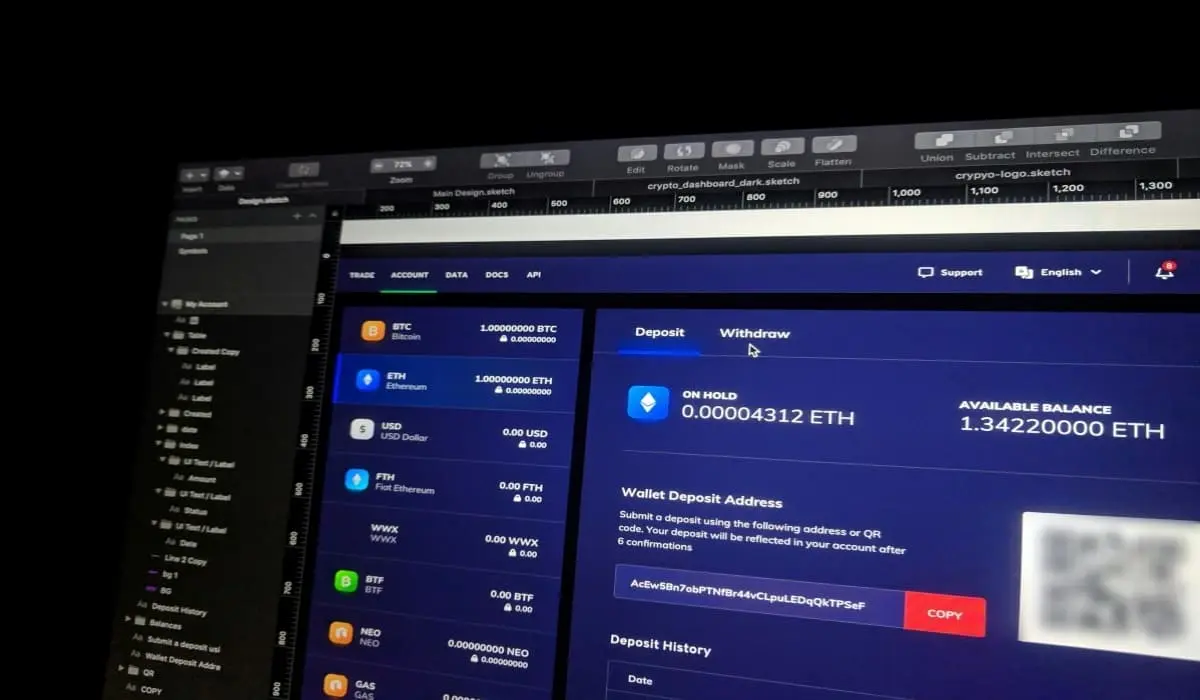
Bitcoin ATMs Under Fire: Scam Crackdown Spurs Bans and Regulatory Pressure
Bitcoin ATMs face growing bans and regulatory scrutiny amid scam crackdowns, even as crypto firms and operators keep expanding machines across retail locations.
Page views: 2
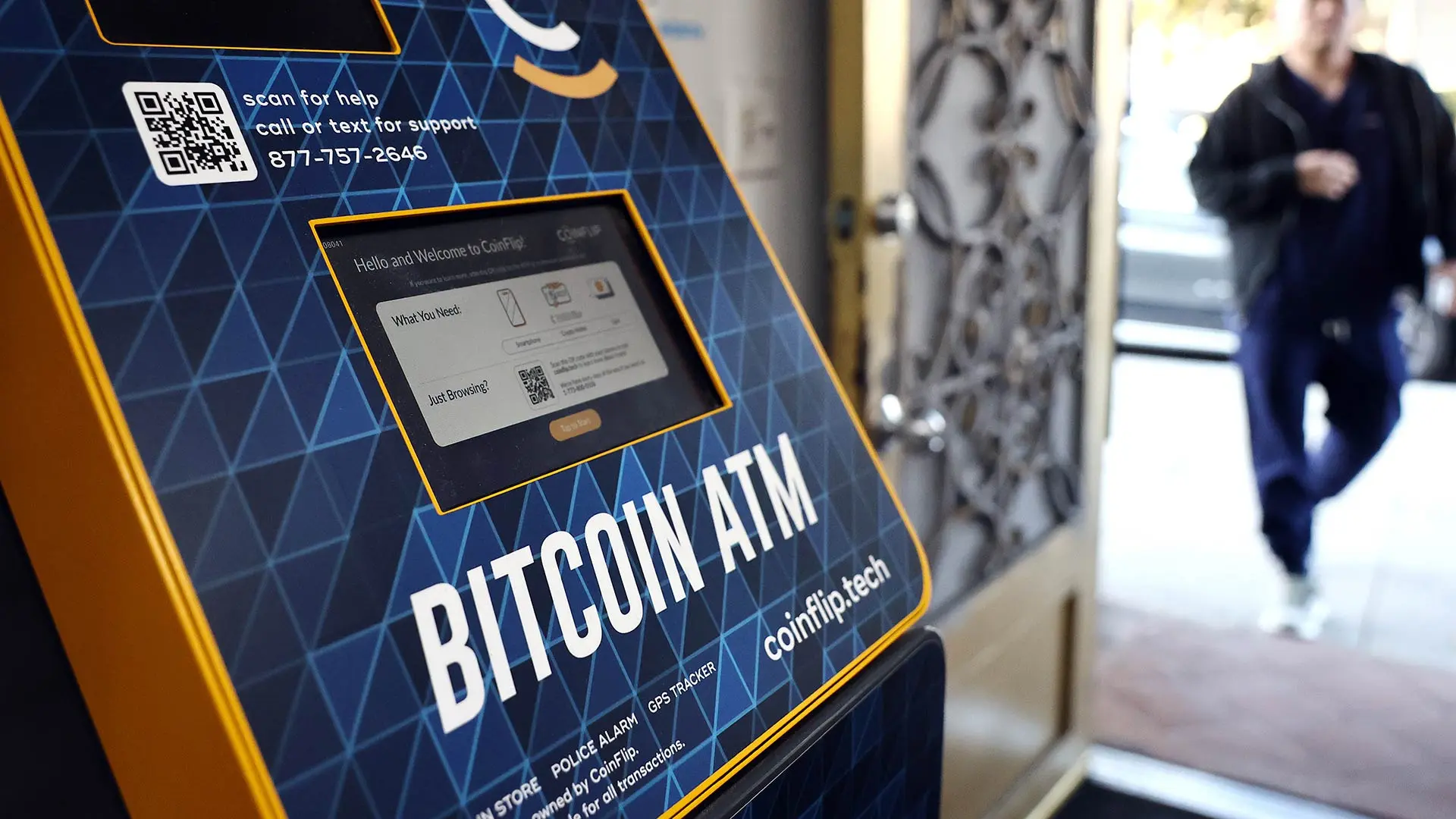
Bitcoin ATMs — the familiar kiosks in gas stations, convenience stores and smoke shops that let people swap cash for cryptocurrency — are suddenly at the center of a regulatory storm. As reports of scams and fraud tied to these machines mount, governments and state legislatures are moving quickly to rein them in.
In recent months several jurisdictions have taken decisive steps. The Canadian government announced a proposal to ban certain bitcoin ATMs deemed particularly scam-prone, while U.S. states including Tennessee, Minnesota and Indiana passed legislation to outlaw or heavily restrict them. These moves reflect growing concern that poorly vetted crypto ATMs can be exploited for fraud, money laundering and other illicit activity.
At the same time, major crypto firms and ATM operators have continued to install machines, arguing that ATMs provide easy on-ramps to cryptocurrency for mainstream users. Reports indicate the world’s largest operator of crypto ATMs is still expanding networks and servicing retail locations, a trend that frustrates regulators and consumer advocates who say industry growth is outpacing necessary safeguards.
The clash highlights a broader trade-off: accessibility versus security. Bitcoin ATMs offer convenience and privacy, but that same privacy can be abused by scammers. Weak or inconsistent Know Your Customer (KYC) and anti-money laundering (AML) controls at some operators create vulnerabilities. For consumers, the result can be lost funds, identity theft or entanglement in criminal investigations.
What comes next will likely be a mix of stricter rules, enforcement actions and market adjustments. Regulators may push for uniform KYC/AML standards, mandatory licensing or outright bans in high-risk locations. Operators that invest in compliance and transparency may survive and adapt; others could be forced to exit the market. For consumers, the best safeguards are awareness and caution: verify machine ownership, check for clear operator contact information, and avoid ATMs that demand unusual fees or remote instructions.
The surge in legislative action shows authorities are serious about curbing scam-prone crypto ATMs. Balancing consumer protection with legitimate access to cryptocurrency will be crucial — and the next wave of regulation will shape how, where and whether bitcoin ATMs remain a common fixture in everyday retail.
Published on: May 27, 2026, 10:03 am