Banking Lobby vs. Democrats: Proposed Legislation on White House Conflicts of Interest
Proposed legislation pits banking lobby against Democrats over White House conflicts of interest. Understand the stakes for transparency and accountability.
Page views: 2
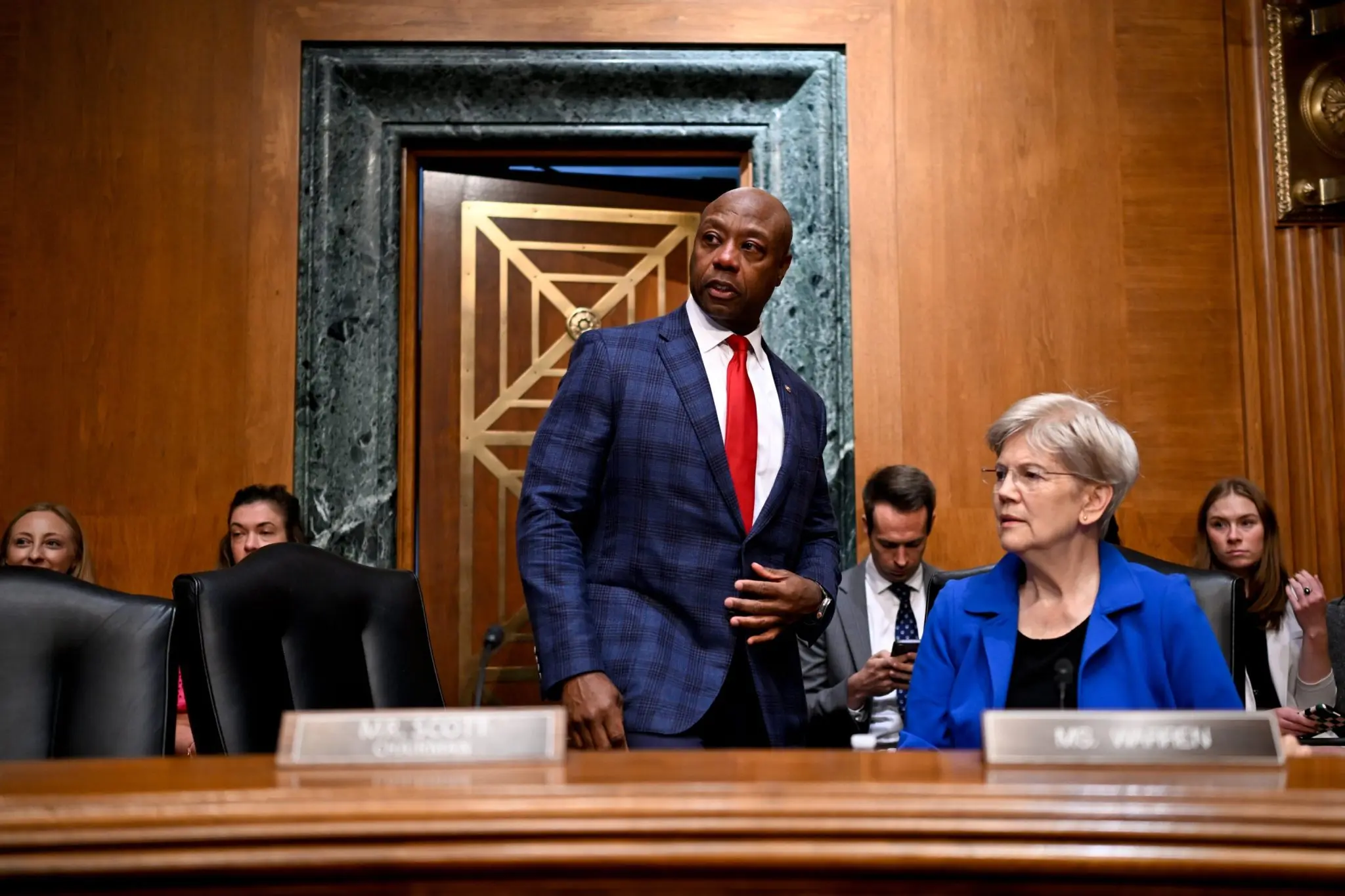
A new proposed legislation has set off a high-stakes clash between the banking lobby and Democratic lawmakers, centering on concerns about White House conflicts of interest. As the debate unfolds, the bill’s goals, potential impact on financial regulation, and implications for public trust in government are coming into sharper focus.
Proponents say the proposed legislation is designed to strengthen transparency and accountability by tightening rules around financial ties, disclosures, and ethical conduct. For Democrats, the debate is about ensuring that the White House and federal agencies are free from undue influence—especially where policy decisions could benefit private interests. The bill is being framed as a measure of ethics reform that could restore public confidence and set clearer boundaries for officials and industry interactions.
The banking lobby, however, has pushed back hard. Industry groups argue that the legislation could create onerous compliance burdens, restrict legitimate engagement with policymakers, and hamper the financial sector’s ability to advise on complex regulatory matters. Lobbyists warn that vague language or overly broad disclosure requirements could lead to unintended consequences for banks, investors, and customers. This resistance has turned the bill into a flashpoint for broader debates about how to balance oversight with practical regulatory needs.
Democrats counter that robust oversight is essential, particularly when potential White House conflicts of interest are at stake. They emphasize that stronger disclosure rules and stricter recusal standards are necessary to prevent policy from being shaped by private advantage. For many supporters, the fight is about accountability: ensuring that government decisions prioritize the public interest over private gain.
What happens next will depend on negotiations in Congress and public pressure. Lawmakers may pursue amendments to clarify definitions, limit compliance costs, or add enforcement mechanisms to reassure both oversight advocates and industry stakeholders. Media coverage, advocacy groups, and constituent engagement are likely to influence the legislative path as the issue remains politically charged.
The clash over this proposed legislation illustrates a recurring challenge in modern governance: balancing the need for ethical safeguards and transparency with the practical concerns of regulated industries. Whether the bill becomes law, is amended, or stalls, the debate highlights ongoing tensions between the banking lobby, Democrats, and broader demands for stronger rules to prevent conflicts of interest at the highest levels of government.
Published on: January 15, 2026, 11:02 am